 English



Tahir Qureshi
Tahir Qureshi is a senior sub-editor at India.com, whose primary duties are writing news related to different beats like National. World, Business, and viral. He also breaks stories and then follows t ... Read More


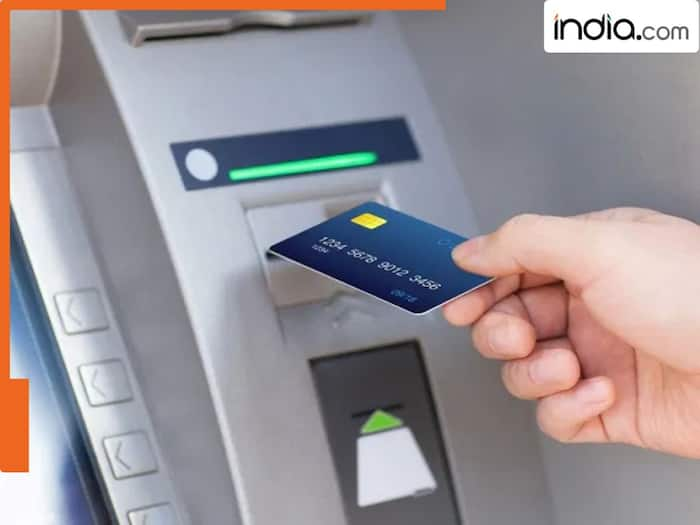
New Delhi: Amidst the growing trend of digital payments in India, regulations concerning cash transactions are also changing. The banking sector is continuously updating its systems to ensure that customers receive better and more secure services. Several banks and payment service platforms are involved in this initiative. The changes, which are coming into effect from April 1st, will primarily involve rules related to ATM cash withdrawals, which will have a direct impact on customers’ finances and daily expenses.
HDFC Bank has informed its customers that cash withdrawals made via UPI at ATMs will now be included within the monthly limit for free transactions. Previously, UPI-based withdrawals were treated separately; however, they will now be aggregated into the overall free transaction limit. This implies that if a customer exceeds the prescribed limit for withdrawals, they will incur a charge of up to Rs 23 per transaction, exclusive of applicable taxes. Typically, banks offer 5 free transactions at their own ATMs, while allowing 3 free transactions at other banks’ ATMs in metro cities, and 5 free transactions in non-metro areas.
Punjab National Bank (PNB) has reduced the daily cash withdrawal limits for certain categories of its debit cards. Under the new regulations, customers holding specific cards will now be restricted to withdrawing a daily maximum of Rs 50,000 or Rs 75,000, a reduction compared to previous limits. For instance, the withdrawal limit for the RuPay NCMC Platinum Domestic Debit Card has been lowered from Rs 100,000 to Rs 50,000. Similar adjustments have been made across other card categories, necessitating that customers plan their cash requirements more effectively.
Meanwhile, Jio Payments Bank has introduced a new feature enabling customers to withdraw cash by scanning a UPI QR code. Under this service, users will no longer require an ATM card; instead, transactions can be completed directly through a mobile application. This facility is expected to be particularly beneficial in regions where ATM accessibility is limited, but where Business Correspondent points are available.

For breaking news and live news updates, like us on Facebook or follow us on Twitter and Instagram. Read more on Latest Business News on India.com.