


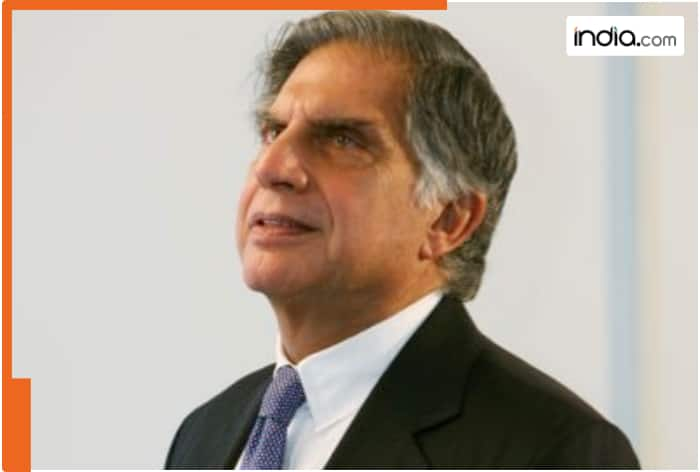
Ratan Tata, Chairman Emeritus of Tata Sons and philanthropist, passed away at the age of 86 in Mumbai’s Breach Candy Hospital on October 9. He was a visionary businessman known for taking risky decisions. Renowned for his humility, Tata undoubtedly leaves behind a remarkable legacy of philanthropy and integrity. Ratan Tata is an idol and role model for new entrepreneurs and students alike. He was one of the most influential industrialists in the country, leading more than 30 companies in over 100 countries. His business empire spanned various sectors, including IT, steel, retail, and lifestyle clothing.
Tata Group, with its numerous ventures ranging from automobiles and finance to travel, infrastructure, telecom, and metal industries, has deeply marked its influence in many sectors. Yet, what stands out profoundly is how this conglomerate revolutionised the fashion industry in the country.
Two Tata clothing brands that are particularly popular among the youth are Zara and Zudio. Both brands contrast with each other and cater to different target customers. For instance, those looking for luxury clothing can choose Zara, while young people seeking fashionable clothing on a budget have Zudio.
The Tata Group launched Zudio and Westside, making style more reachable and economical. Westside targets mature demographic within the middle to high-range market, whereas Zudio attracts the youth in the mid to low range.
Despite coming late in the market, Zudio has swiftly become a household name for economical yet chic clothing. What sets Zudio apart from its competition is their commitment to offering trendy garments at triple-digit rates.
Zara, a fashion-forward brand from Spain, got famous in the 1970s and is known its trendy clothing collections. Acclaimed for its unique approach of keeping advertising to a minimum, Zara channels its profits towards broadening its international footprint, a move that has become popular among millennial consumers.
In 2009, Zara launched approx. 95 stores across the globe. After a year, the company stepped into the Indian market, joining the ranks of luxury clothing brands like Louis Vuitton, Gucci, and Chanel in metro cities – Mumbai and Delhi.
In early 20th century, India witnessed a substantial uplift in the middle class, reflecting a higher capacity for expendable income. This was the time when shopping centers started cropping up in city landscapes, and global brands started cashing in on the power of advertisements.
Tata’s leadership ensured that the entry of Zara was not a commercial partnership alone, but rather a cultural one. Zara opened its first store in New Delhi in 2010 and positioned as a global fashion brand with local sensibilities.


For breaking news and live news updates, like us on Facebook or follow us on Twitter and Instagram. Read more on Latest Business News on India.com.

