




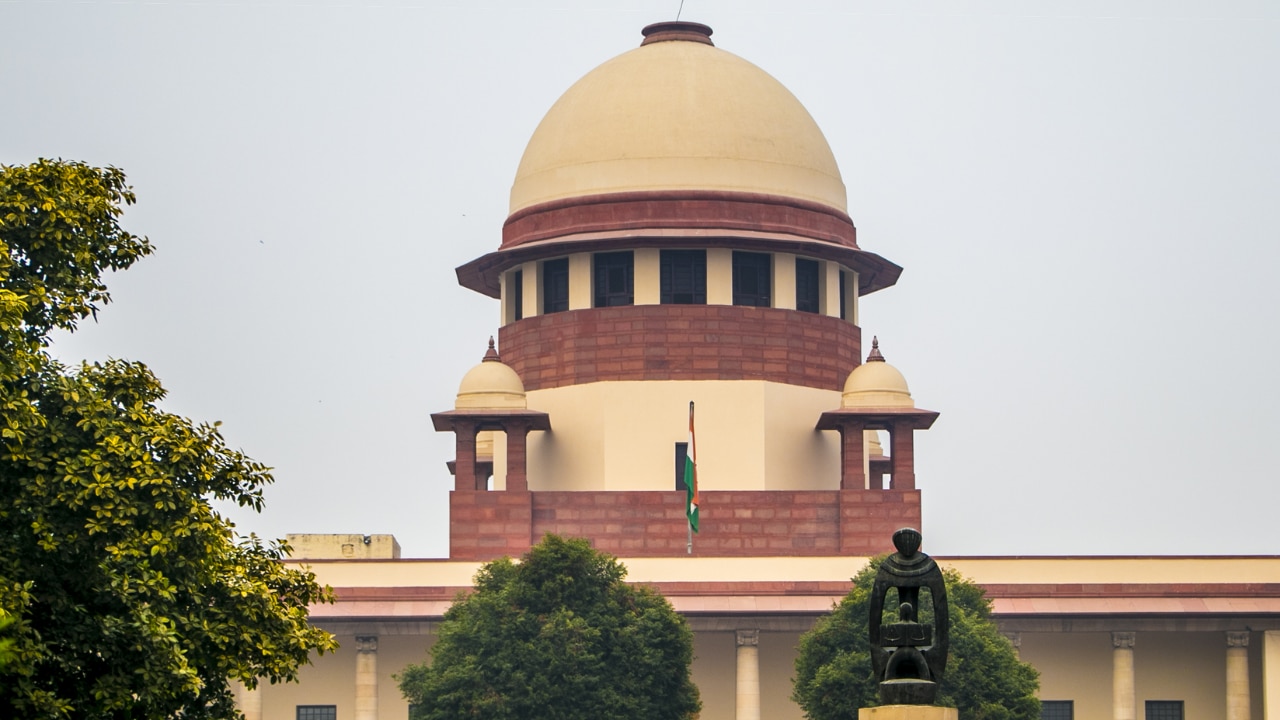
New Delhi: In a significant development, the Supreme Court on Monday sought responses from the Centre and others on a petition challenging the decision to impose a Merchant Discount Rate (MDR) on specified UPI person-to-merchant transactions above Rs 2,000. A bench of Chief Justice of India Surya Kant and Justices Joymalya Bagchi and V Mohana agreed to hear the plea and directed the Centre, the Reserve Bank of India and others to file their counter affidavits within four weeks.
The bench refused to grant any interim stay on the Centre’s decision to impose MDR. Additional Solicitor General N Venkataraman, appearing for the Centre, told the bench that 96 per cent of people using the gateway were exempt. “It is less a legal and more a technical issue,” the bench observed.
After the top court issued notice and directed the respondents to file their counter affidavits within four weeks, the counsel appearing for the petitioner requested the bench, “Please stay it till then.”
The bench refused to grant any interim stay. The public interest litigation (PIL) was filed by advocate Anjan Datta.
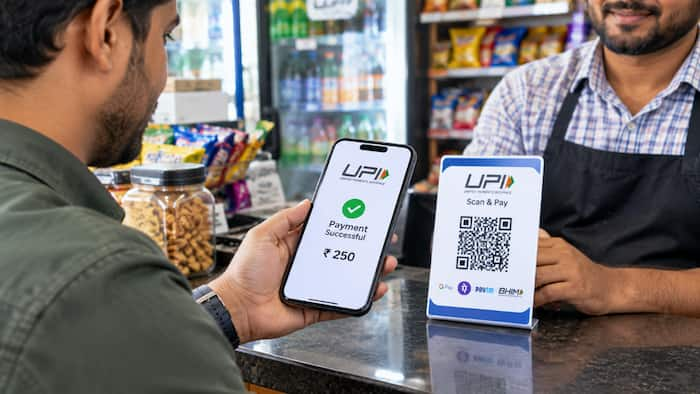
Ending nearly six years of fully free UPI payments, the government has introduced a 0.4 per cent fee on transfers worth over Rs 2,000 made to merchants through the UPI platform from October 15 while explicitly ring-fencing everyday person-to-person transactions and small payments from any charge.
The MDR will be capped at Rs 300 for payments of Rs 75,000 and above. Essential and thin-margin sectors—railways, telecom, insurance, fuel and agricultural inputs—will pay a flat MDR of Rs 5 per transaction above Rs 2,000.
Payments into mutual funds, securities and through stockbrokers and dealers will attract 0.02 per cent MDR, also capped at Rs 300. Person-to-person (P2P) transfers — which make up 37 per cent of UPI’s transaction volume and 70 per cent of its transaction value — will continue to attract zero charges, irrespective of size.
Finance Minister Nirmala Sitharaman has rejected as “absolutely baseless” allegations by the Opposition that the decision to levy a 0.4 per cent Merchant Discount Rate (MDR) on specified UPI transactions above Rs 2,000 was taken under external pressure, saying it was a professional decision by the payment ecosystem.
Talking to PTI, Sitharaman said the decision was completely professional, and it was taken jointly by the National Payments Corporation of India (NPCI), payment banks and merchant banks, and not imposed by the government.
She rubbished the Opposition’s allegations that the government had yielded to foreign pressure, saying the MDR was not a tax and would not accrue to the government.
“Absolutely baseless. And I totally deny it,” she said when asked about Opposition allegations that the decision on Unified Payments Interface (UPI) MDR was taken under external pressure, particularly from the US.
The Finance Minister said the Opposition was “searching for issues” and making allegations without fully understanding the matter.
(With PTI Inputs)








For breaking news and live news updates, like us on Facebook or follow us on Twitter and Instagram. Read more on Latest Business News on India.com.

