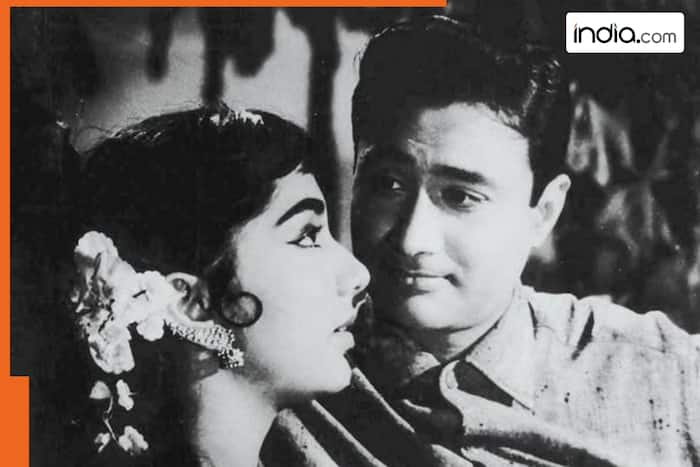
Songs have always had a special place in our lives. When we talk about classic iconic songs, several of them become even more meaningful with time. These songs are not just heard, they are felt. They touch the heart deeply and give a sense of comfort and belonging. That is why, even after many decades, people still listen to them with the same love. In the past, what made songs truly special were their simple lyrics and beautiful melodies. The words were easy to understand, yet they carried deep meaning.
Even the singers’ voices were so soulful that the songs connected straight to the heart. Feelings of love, separation, longing, and reunion were expressed in such a pure way that they brought peace to listeners. Maybe it’s the simplicity and honesty that still make these songs so special and loved even today.
One such song, released 65 years ago, still rules people’s hearts, and even today, listeners can’t get enough of it. Mohammed Rafi and Asha Bhosle gave their melodious voices to this 4 minutes 8 seconds long song. The music was composed by Jaidev, and the lyrics were written by Sahir Ludhianvi. It is a beautiful romantic duet that gently captures the sweet emotions felt before separation.
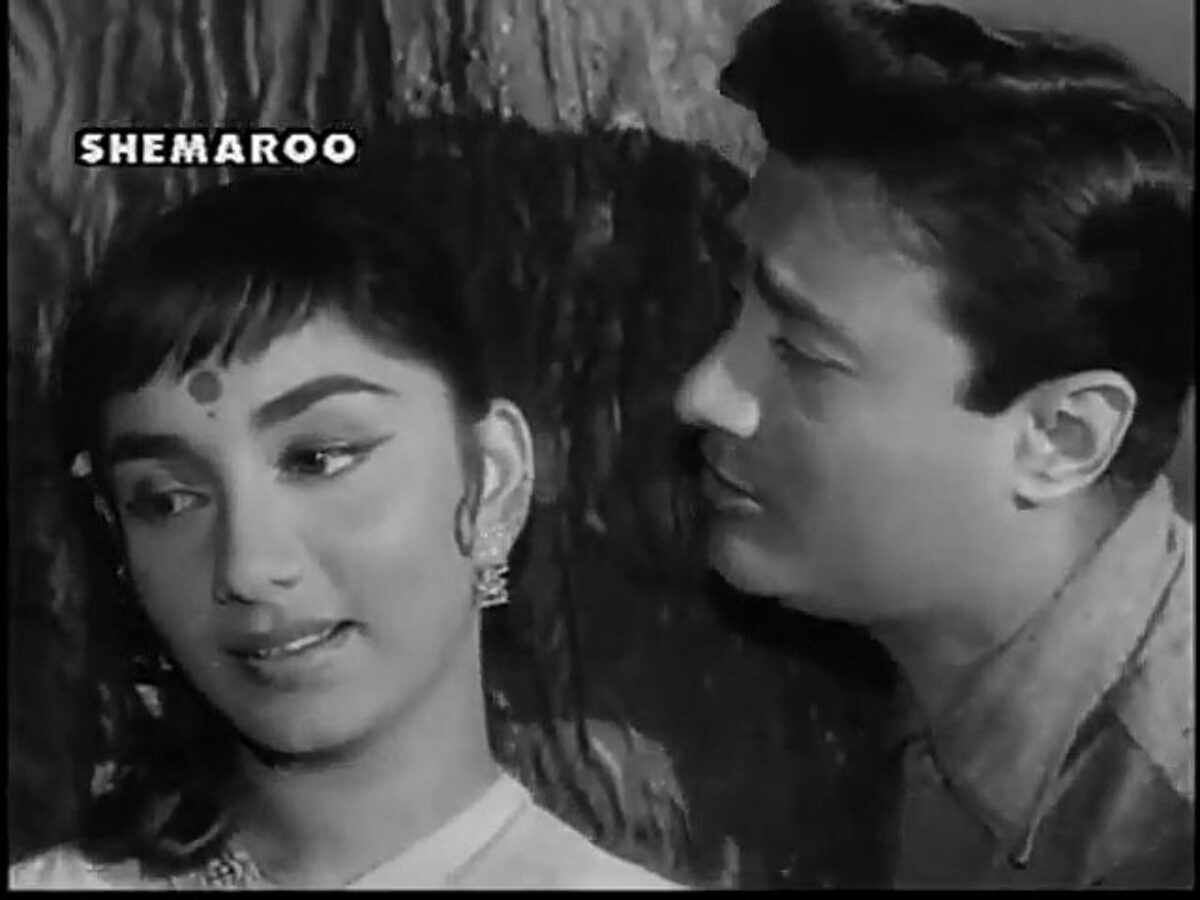
We are talking about an incredibly popular song among music lovers – “Abhi Na Jao Chhod Kar” from the film Hum Dono (1961). The line “Abhi na jao chhod kar, dil abhi bhara nahin” makes this song truly soulful and unforgettable. What makes it special is that it became a household favourite as soon as it was released. It was widely played on the radio and at public gatherings. Even after all these years, its charm has not faded. The song is still often heard on YouTube, radio, at stage shows, and across social media platforms.
While the film’s direction is officially credited to Amarjeet, many experts believe it was actually directed by Vijay Anand. Dev Anand, Nanda, and Sadhana played the lead roles. The film was well received by audiences. According to reports, it earned around Rs 16 million worldwide, which was a huge amount at that time. It became the highest-grossing film of 1961.