
Everything You Need To Know About Sleep Apnea

Find out the details of Sleep Apnea.

Author: Chhaya Nene
Published: August 9, 2016, 6:41 PM IST

Do you have a significant other or a relative that constantly snores? Have you listened closely to that snoring and realized, for a brief moment, it sounds like they’ve stopped breathing?

They may have sleep apnea—a common disorder where people have multiple gaps in their breathing while they sleep. These pauses can last seconds to minutes and can occur up to 30 times or more in an hour. It also means shallow breathing when you sleep so you’re never actually getting a deep night’s sleep. According to the Mayo Clinic, 200,000 people are diagnosed with sleep apnea a year.

The best way to diagnose whether you have sleep apnea is to have a partner listen to you sleep (which sounds creepy but could save your life.) Men are more likely to have it than women—so if your Dad’s snoring a lot, listen carefully. The next step if someone thinks you have it is to undergo a sleep study.

Types of Sleep Apnea

1. Obstructive Sleep Apnea

This is the most common type of sleep apnea and occurs when your airway collapses or becomes totally blocked when you sleep. When there are collapses and blockages, that’s when your breathing pauses. Snoring is the sound that happens with blocked passages. Half of the people who have this condition are overweight. Also, you’re at greater risk of obstructive sleep apnea the older you get. If you have a family history of sleep apnea, you’re at a greater risk of developing it

2. Central Sleep Apnea

This type of sleep apnea happens when the area of your brain that controls your breathing doesn’t send the correct signals and you’ll actually not make any effort to breathe for a period of time. There is no snoring with this type.

Signs and Symptoms

  • Loud and chronic snoring
  • Choking and gasping in breathing
  • Fatigue throughout the day
  • Morning headaches
  • Memory problems
  • Frequent urination at night
  • Dry mouth in the morning

Diagnosis and Treatment

  • Keep a sleep diary for 2 weeks
  • Bring your diary for your doctor to examine
  • Undergo a sleep study
  • Have your doctor check you for large tissues in your mouth, nose, and throat—have your tonsils checked as well.

In terms of treatment here are a few things you can do to improve your symptoms:

  • Exercise and lose weight so you are no longer overweight
  • Avoid alcohol
  • Sleep on your side
  • Get a mouthpiece from your dentist. This will keep your airways open and keep the oxygen flowing.
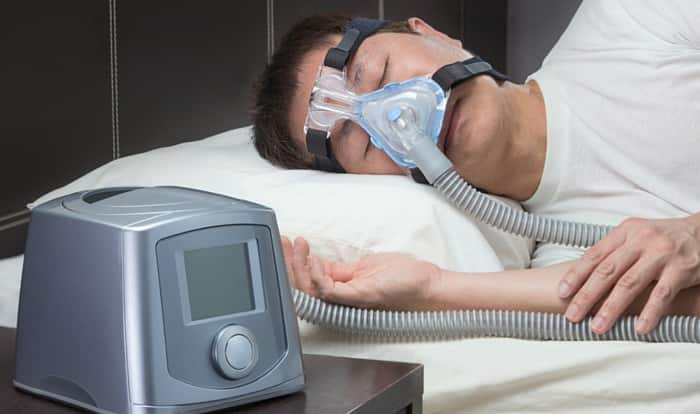
  • If your sleep apnea is severe, get a CPAP. It’s a machine that’ll make you look slightly like an alien, but that’s okay. It goes over your mouth and nose and will blow air into your throat. Once you have the machine, use it or the sleep apnea will come back.
  • Surgery can widen your breathing passages.
  • Get a chinstrap
  • Get a plug for your nose that’s tailor made for sleep apnea if you can’t handle a full CPAP. Here are some alternative methods.

Health Risks Associated with Sleep Apnea

If you have sleep apnea you are also more likely to have:

  • High blood pressure
  • Be a smoker
  • Have diabetes
  • Be at risk for stroke and heart failure

Keep in mind that sleep apnea could kill you if undiagnosed and not treated. Your breathing is stopping completely from seconds to minutes. It is crucial to get checked out and to alter your lifestyle if you must make sure you are healthy.


Add India.com as a Preferred Source Add India.com as a Preferred Source

For breaking news and live news updates, like us on Facebook or follow us on Twitter and Instagram. Read more on Latest Health News on India.com.

By clicking “Accept All Cookies”, you agree to the storing of cookies on your device to enhance site navigation, analyze site usage, and assist in our marketing efforts Cookies Policy.