





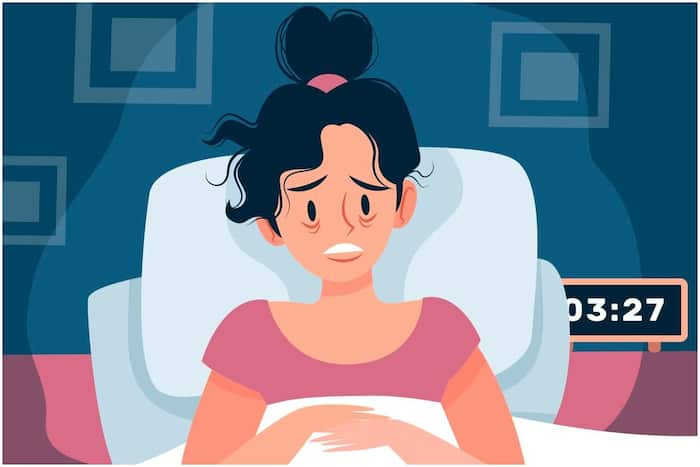
Sleep is an important body function required for mental and physical well-being. The amount of sleep required changes with age in an inverse manner. For example, an infant may sleep up to 18-20 hours, whereas someone more than 80 years old may need only a few hours of sleep. Lack of recommended 7 to 8 hours (for an adult) of restful sleep is called insomnia, which may be due to difficulty in falling asleep or staying asleep.
The long-term effects of sleep deprivation can drain mental abilities and affect physical health, varying from weight gain to a weakened immune system. Long-term sleep deprivation also increases the risk for chronic conditions, such as diabetes mellitus, stroke, and heart disease.
Dr Santosh Bangar, Senior Consultant Psychiatrist, Global Hospital, Parel, Mumbai says that sleep affects the levels of two hormones, leptin and ghrelin, which control feelings of hunger and fullness.
Leptin tells the brain that you’ve had enough to eat. Without enough sleep, your brain reduces leptin and raises ghrelin, which is an appetite stimulant. The flux of these hormones could explain night-time snacking. Sleep deprivation also lowers the body’s tolerance for glucose and is associated with insulin resistance. These disruptions can lead to diabetes mellitus and obesity.
Disturbances in physical or mental health can cause sleep problems. Also, unsuitable bedroom environments like the extremes of temperature, noise level, or improper lighting can contribute to sleep deprivation. Drinking an excessive amount of caffeine, stimulant medication, smoking and alcohol can adversely impact sleep. Certain mental health conditions like anxiety disorder, depression, substance misuse can cause insomnia.
A night-time breathing disorder called obstructive sleep apnoea (OSA) can interrupt sleep and lower the quality of sleep. It is a common condition mainly seen in obese people. Common symptom is of loud snoring and excessive daytime sleepiness.
Treatment of sleep deprivation
A sleep study is a useful diagnostic tool performed at home to aid the exact cause of sleep problems. The treatment will depend on the cause.
Sleep hygiene is an important aspect of the treatment and most of these are simple, yet very effective self-help measures.
If the above measures fail to improve the sleep problem, then a combination of psychological counselling using cognitive behaviour therapy (CBT) and a short course of medication is recommended. The choice of medication will depend on the underlying cause of sleep deprivation. Long-term sleeping pills or sedatives have a negative impact on sleep which may lead to further mental health complications.
(Inputs by Dr. Santosh Bangar, Senior Consultant Psychiatrist, Global Hospital)












For breaking news and live news updates, like us on Facebook or follow us on Twitter and Instagram. Read more on Latest Health News on India.com.
