 English


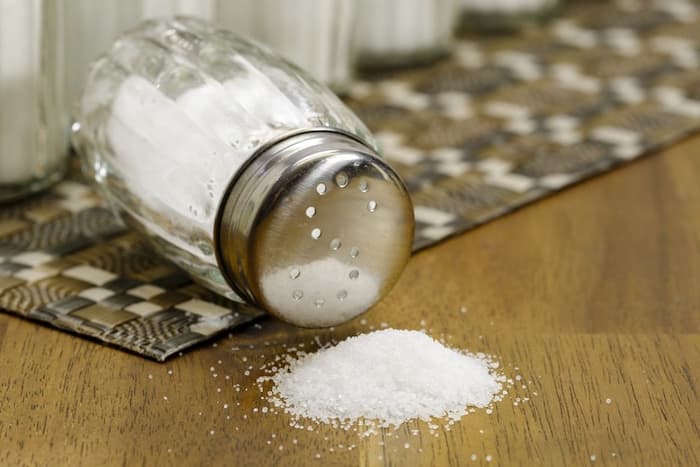
New Delhi: Are you one of those who uses extra salt on the dining table? Or have too much craving for pickles? Well, experts believe that regulating salt consumption is key to prevent hypertension, which is associated with an increased risk of heart disease, heart attack, stroke and heart failure. Yes, you read that right!
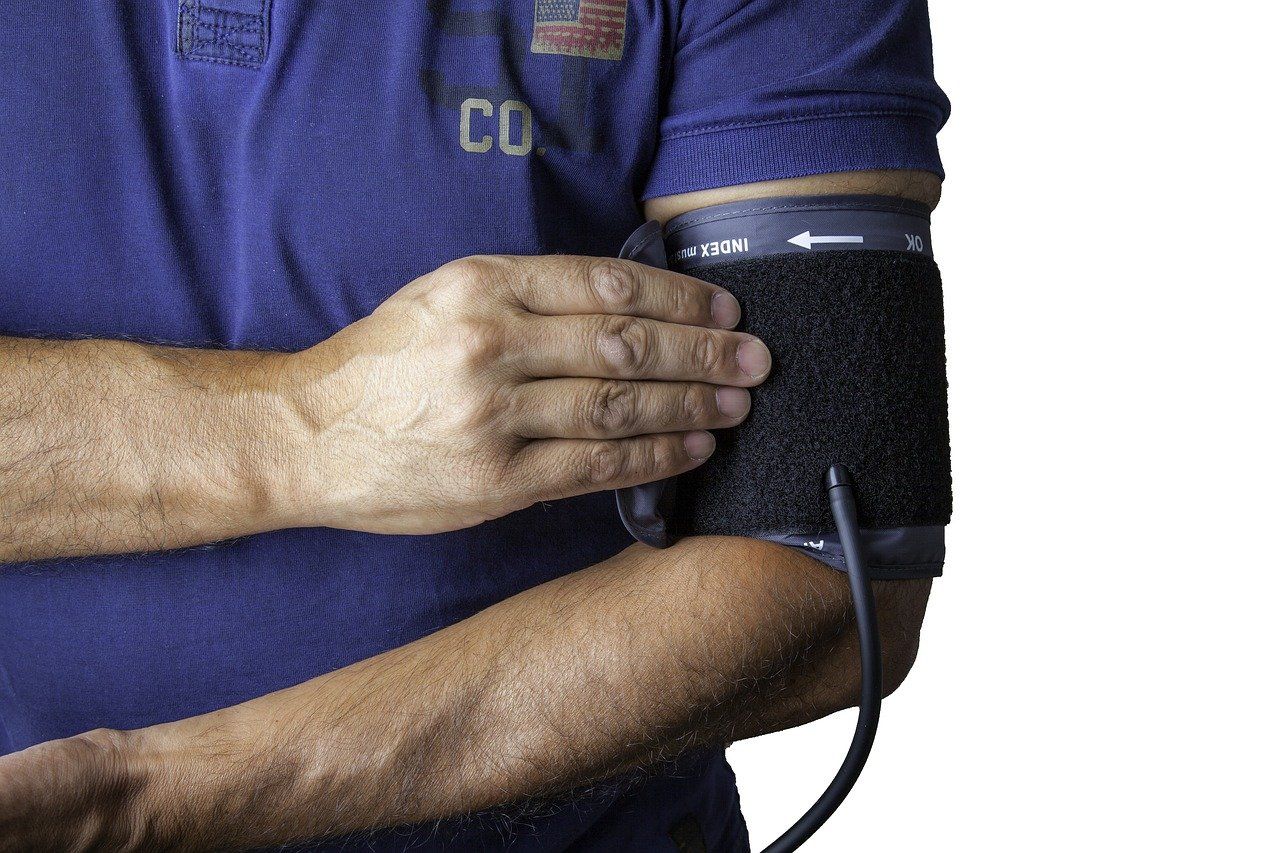
Excess intake of salt can cause high blood pressure and stress.
Hypertension, also known as high or raised blood pressure, is a condition in which the blood vessels have persistently raised pressure. According to National Center for Biotechnology Information, the close relationship between hypertension and dietary sodium intake is widely recognized and supported by several studies. A reduction in dietary sodium not only decreases the blood pressure and the incidence of hypertension, but is also associated with a reduction in morbidity and mortality from cardiovascular diseases.
The World Health Organization (WHO) believes that to lower the risk of heart disease, adults should reduce sodium intake to less than 2 grams a day, or the equivalent of about one teaspoon of table salt.
IANS quoted Vijay D’Silva, Director at the Asian Heart Institute, “Hypertension can lead to cardiovascular diseases. The rise in blood pressure caused by eating too much salt may damage the arteries leading to the heart.”
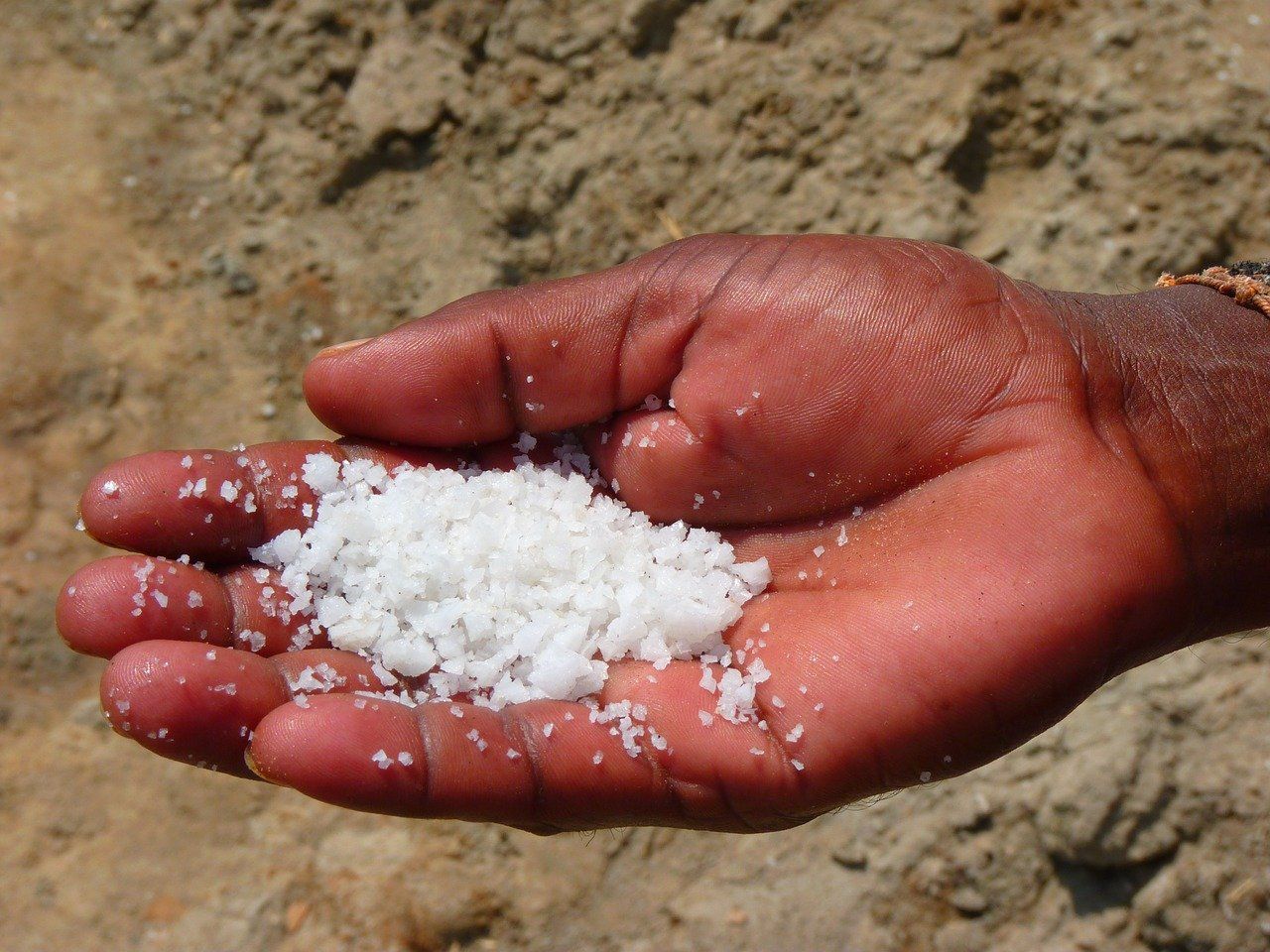
Regulating salt consumption is key to healthy body.
According to a study published in the journal Hypertension, about half of adults living in Asia are suffering from the high blood pressure. While lifestyle factors, including diet and stress, are behind the high hypertension rates in Asia, one common problem is high salt intake, the study showed.
Asians not only tend to have diets high in sodium, but they are genetically more sensitive to sodium, the researchers said.
“Raised blood pressure due to high salt consumption is the biggest single contributing risk factor for non-communicable diseases and damage to your kidney,” IANS quoted Bhupendra Gandhi of the NGO Amar Gandhi Foundation.
Please note that a study led by researchers from the Imperial College london and Northwestern University, showed that people eating higher amounts of salt had higher blood pressure — no matter how healthy a person’s overall diet.
Hypertension can also affect fertility in both males and females, the news agency quoted Rajalaxmi Walavalkar of Cocoon Fertility. “Anyone with hypertension is at an increased risk of infertility. A high salt diet leading to high blood pressure can result in delayed puberty and even impact reproductive health,” Walavalkar noted.
Meanwhile, in another shocking revelation, health experts said that besides affecting the heart and fertility, hypertension can affect the skin too. “High blood pressure can harden your arteries, which decreases the flow of blood and oxygen. An impairment of the flow of oxygen, to an organ such as your face, can cause your skin to dry and wrinkles faster which can make one look less youthful,” said Amit Karkhanis – Medical Cosmetologist and founder of Dr Tvacha clinic, according to IANS.
Did you know hypertension is also known to cause trouble sleeping which leads to signs of premature ageing (fine lines, uneven pigmentation and reduced elasticity)?
Health is wealth. So, cutting down on salt consumption in everyday life, including fried foods, processed foods, can not only curb the problem of hypertension but also save multiple organs from damage and pave way for a healthy and a happy life.

For breaking news and live news updates, like us on Facebook or follow us on Twitter and Instagram. Read more on Latest Health News on India.com.