


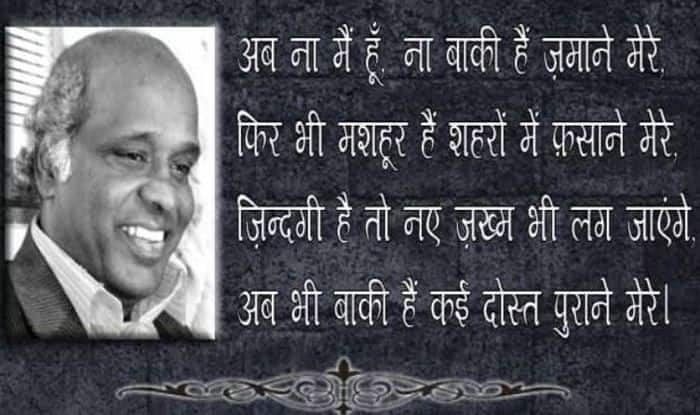
Rahat Indori, a celebrated poet and lyricist passed away on Tuesday hours after his COVID-19 report came positive. The known personality was admitted to the Sri Aurobindo hospital in Indore. Rahat Indori was 70-year-old and had 60 per cent pneumonia. He died after suffering from cardiac arrest due to the novel coronavirus infection. The news of his demise has saddened the entire nation. While the country mourns his death and pray for his soul’s peace, here we tell you all about the immediate condition that took Rahat Indori’s life.
What is Cardiac Arrest And What Are Its Symptoms?
Cardiac arrest is a serious medical condition that occurs when your heart suddenly stops functioning resulting in abrupt loss of breathing and consciousness. It occurs due to electrical disturbances in your heart. Cardiac arrest is fatal and can take a person’s life if appropriate medical care is not given on time. It is characterised by symptoms including sudden collapse, no breathing, loss of consciousness. A person may start feeling certain signs before getting a cardiac arrest. These may include weakness, chest discomfort, shortness of breath etc.
Though a cardiac arrest can affect anyone, it mostly develops in people with pre-existing heart ailments like valvular heart disease, congenital heart disease, coronary artery disease etc. Certain factors including smoking, obesity, high blood pressure, and a sedentary lifestyle can increase your risk of dying from a cardiac arrest.
Diagnosis And Line of Treatment
An electrocardiogram (ECG) is the quickest method to diagnose cardiac arrest. During this process, sensors are attached to your chest or limbs to detect your heart’s electrical activity. Some other tests like chest X-ray, nuclear scan, angiogram etc. can find your probability to get the condition in future.
As far as the treatment of cardiac arrest is concerned, a patient who develops this condition requires immediate attention of doctors for survival. CPR is the emergency and manual treatment given to the patient. To perform this, you need to push hard and fast on the patient’s chest at a rate of 100 to 120 compression a minute. Advance care includes defibrillation that is characterised by giving electric shocks to the heart through the chest wall to allow the normal heart rhythm to resume.


For breaking news and live news updates, like us on Facebook or follow us on Twitter and Instagram. Read more on Latest Entertainment News on India.com.
