





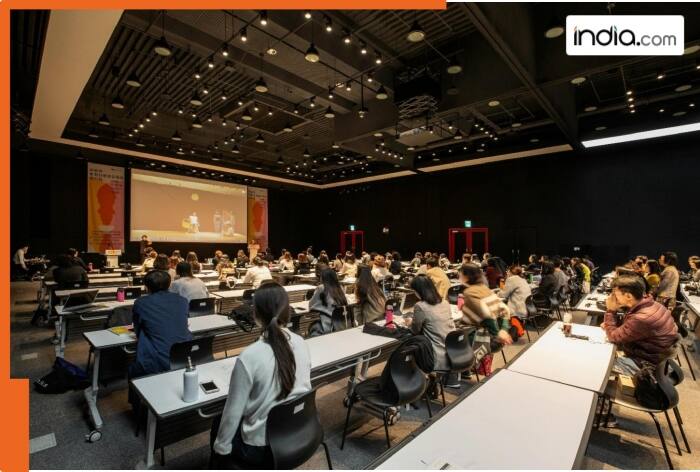
The 2025 International Conference on Innovations in Intelligent Systems: Advancements in Computing, Communication, and Cybersecurity (ISAC3) emphasized the new research at the nexus of artificial intelligence, computing, and cybersecurity. The conference united scholars and practitioners in the academic and industrial fields to analyze the way intelligent systems are defining secure communication systems and enhanced computing environments.
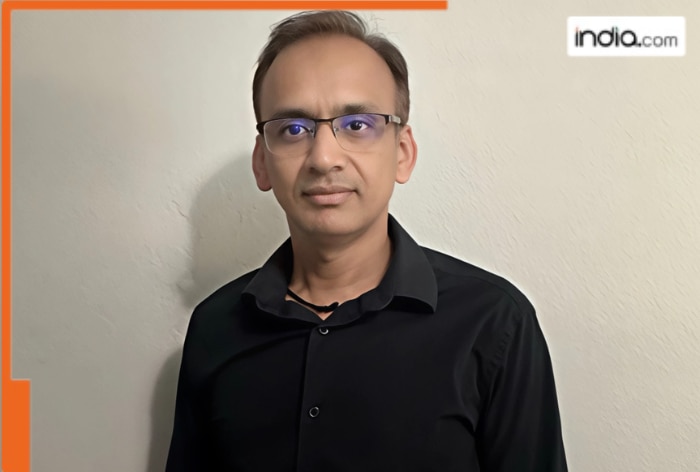
The research of Debasish Paul, a Senior Software Engineer at a major international financial company, was highlighted among the works of ISAC3 2025 because it focuses on intelligent intrusion detection based on advanced deep learning methods. Debasish was the first author of the article titled SHO-Xception: An Optimized Deep Learning Framework to Intelligent Intrusion Detection in Network Environments, which was published in IEEE journals. The article looks at optimized deep learning architectures that enhance detection of complex network intrusions and still remain scalable and efficient in operations.
In addition to his first-author work, Debasish collaborated as a co-author to “Temporal Pattern-Aware Intrusion Detection in Smart Homes via SCOA-Driven Feature Selection and Deep Learning,” another IEEE-published study presented at the conference. This work explores the application of temporal intelligence and feature optimization techniques to address cybersecurity challenges in smart home environments, an area of increasing relevance as connected systems continue to expand.
With over 18 years of experience across cloud computing, AI/ML, and intelligent systems, Debasish’s research demonstrates original contributions and sustained technical leadership. Conducted through a global research collaboration, his work encompasses the development of secure and scalable architectures, AI-driven intrusion detection, intelligent feature selection, and the deployment of trustworthy AI in cloud-native environments.
ISAC3 2025 featured keynote sessions delivered by established experts in intelligent systems and cybersecurity, offering perspectives on current research trends and future directions in secure computing. The conference was supported by a technical committee comprising experienced academics and industry professionals, ensuring the academic rigor and relevance of the research presented. Such conferences continue to play an important role in strengthening research ecosystems within Indian academic institutions while facilitating international knowledge exchange.
The work presented by Debasish Paul contributes to ongoing research efforts aimed at strengthening cybersecurity frameworks through intelligent system design. By addressing intrusion detection in both enterprise network infrastructures and smart environments, the studies highlight approaches that balance technical innovation with practical deployment considerations. As cybersecurity challenges evolve alongside advances in intelligent systems, research presented at forums such as ISAC3 remains central to informing future developments in the field.










For breaking news and live news updates, like us on Facebook or follow us on Twitter and Instagram. Read more on Latest Money News on India.com.
