English


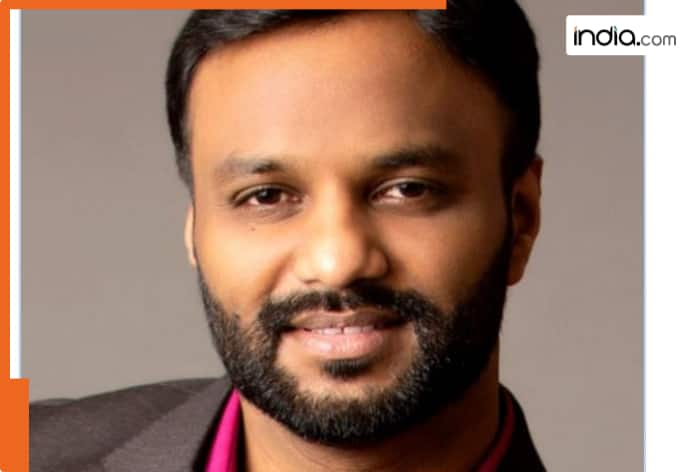
Seattle, WA – In an age where data-driven decisions and AI-powered platforms define the trajectory of business success, Rajesh Sura has emerged as one of the foremost thought leaders in data engineering and enterprise analytics. With over 15 years of experience designing scalable systems that power global decision-making, Rajesh is known for fusing advanced technology with pragmatic strategy. In this exclusive Q&A, he offers insights into building intelligent, compliant, and high-impact data ecosystems that support large-scale adoption and long-term innovation.
Q 1: What motivated you to pursue a career in data engineering and analytics?
A: My passion stems from observing how well-structured data can transform decisions and reveal opportunities. Early in my career, I was drawn to the challenge of converting fragmented information into actionable insights. Data engineering gives me the chance to blend logic, systems design, and creativity to build platforms that scale across industries. As digital transformation accelerated, I saw the growing need for scalable, ethical, and human-centered data systems. The idea that good data can drive better societies and sustainable innovation continues to motivate me every day.
Q 2: What is your approach to ensuring successful adoption of enterprise analytics tools?
A: It starts with user empathy. Successful adoption is about aligning deeply with user needs – understanding workflows, what data users lack, how they make decisions, and what bottlenecks they face. I design tools that are intuitive, responsive, and aligned to specific business workflows. It’s not enough to build a powerful solution; it must be usable and deliver value fast.
My approach includes early stakeholder alignment, performance benchmarking, user education, and ongoing feedback loops. Design thinking and iterative delivery help ensure we’re solving real problems in real time. In most cases, we’ve achieved adoption rates of 80%+ and Net Promoter Scores above 70 within the first year of launch by making the user experience as seamless and impactful as possible.
Q 3: Can you share a challenge you’ve faced in implementing a global-scale data solution?
A: One of the more complex challenges was designing secure and compliant infrastructure for vendor-facing systems integrated with external platforms. It required collaboration across data engineering, governance, security, and legal teams to build red-certified, audit-ready pipelines that processed billions of records with near-zero latency. The goal was to build trust—technically and operationally. We implemented robust access controls, dynamic masking, and metadata-driven automation to ensure compliance without slowing innovation. These solutions not only served current needs but also future-proofed the platform for evolving global regulations.
Q 4: How do you balance innovation with regulatory compliance in enterprise systems?
A: Innovation and compliance are not mutually exclusive. In fact, embedding governance “by design” actually accelerates innovation by providing clarity and confidence. We achieve this by developing reusable frameworks, automated audit layers, and strong access policies. From data masking to dynamic access layers, I ensure AI and analytics remain explainable, secure, and compliant with global standards. Teams move faster when they’re confident in the integrity of the data and systems they’re using. In many ways, designing for transparency and ethics has become the new frontier of innovation—where value and responsibility must go hand-in-hand.
Q 5: What trends do you believe will define the future of data platforms and AI?
A: I see three big shifts: the rise of natural language interfaces for data interaction, increased adoption of GenAI to support proactive insights, and the convergence of real-time streaming with traditional data warehouses. There is a broader movement toward context-aware systems—where AI not only automates but understands the “why” behind data patterns. Organizations will need platforms that support explainable AI, data trust, and ethical automation at scale. Success will hinge on balancing power with transparency and ensuring human oversight remains central to all advanced analytical systems.
Q 6: How do you apply AI and machine learning to business analytics?
A: What’s exciting about AI in analytics isn’t just automation—it’s augmentation. These tools don’t replace human analysts but rather give them superpowers, handling routine tasks and pattern recognition at scale so they can focus on higher-value strategic thinking. AI is central to our work. I’ve implemented systems using natural language processing to enable conversational analytics, as well as AI-driven anomaly detection and recommendation engines that support operational forecasting and sales optimization—augmenting human decision-makers with strategic insights.
Q 7: What advice would you give to organizations struggling with scaling their analytics efforts?
A: Start with a strong foundation: trustworthy data, clear governance, and an architecture that supports growth. Don’t underestimate the importance of user training and change management. Finally, make innovation part of the team’s DNA—encourage experimentation while maintaining quality standards. I often advise organizations to think in platforms, not projects. Build systems that are modular, resilient, and capable of evolving with the business. Culture and systems must evolve together for analytics to truly scale.
Q 8: What excites you most about the future of your field?
A: We’re moving into an era where data platforms are no longer back-end utilities—they are strategic enablers of business growth, customer trust, and social good. The ability to surface intelligent insights, at the right time and with full contextual understanding, is becoming central to competitive advantage. I’m excited about building platforms that are not just smart, but also trustworthy, inclusive, and ethically sound. I believe the future belongs to systems that combine automation with empathy, data with storytelling, and insight with action.
Q 9: How do you define data leadership in today’s enterprise landscape?
A: Data leadership today extends far beyond technology. It’s about creating clarity in complexity, aligning data strategy with business goals, and building a culture of curiosity and trust. A data leader must understand technical architectures and business priorities while also being a champion for responsible data practices. True leadership in this space means making data accessible, ethical, and actionable for everyone in the organization.
Q 10: How do you balance automation with human-centered design in data platforms?
A: Automation unlocks scale, but without human-centered design, it can easily become rigid or misaligned. I focus on building platforms where automation enhances human decision-making rather than replacing it. That means incorporating feedback loops, intuitive user interfaces, and embedded explainability. It’s also critical to maintain transparency in how automated decisions are made and to allow room for human judgment where it matters most.
Q 11: What advice would you give to emerging professionals in data and AI fields?
A: Start with a strong foundation—understand the math, the systems, and the real-world context. But also cultivate empathy and communication skills. Data and AI don’t exist in a vacuum; they impact real people and real businesses. Be curious, stay adaptable, and always question the assumptions behind your models. And finally, never lose sight of ethics—your work could shape systems that touch millions of lives.
Q 12: How do you build and scale high-performing technical teams?
A: It starts with people—not just technical brilliance, but curiosity, collaboration, and a customer-centric mindset. I set clear goals but give teams autonomy in execution. I tailor growth plans through mentorship, stretch roles, and executive exposure. I also promote psychological safety—where engineers feel empowered to take risks, admit mistakes, and challenge the norm. That’s where innovation lives. Our teams have high retention because they know they’re growing while making an impact.
Q 13: What’s in your modern data engineering toolkit?
A: I prioritize flexibility and scalability. While the specific stack varies, I rely heavily on cloud-native infrastructure, distributed processing, Python, SQL, and modern visualization tools to support actionable intelligence at scale. But ultimately, it’s about selecting the right tool for the problem. Sometimes that means adopting a bleeding-edge ML library; other times, it means using a stable, proven platform. But tool selection is always outcome-driven. The right choice depends on performance, integration, and how directly it drives business value.
Q 14: How do you stay current with industry trends and advancements in technology?
A: I dedicate time weekly to reading journals, listening to expert podcasts, and experimenting with emerging tools. I follow communities and leaders across cloud engineering, AI, and data science to continuously adapt and grow.
Q 15: What are your long-term goals in your career, and how do you plan to achieve them?
A: My vision is to help organizations build intelligent systems that are not just automated—but trusted, human-aligned, and transformational. I want to continue driving innovation while shaping ethical, inclusive, and forward-thinking data cultures. And as I grow, I’m committed to mentoring the next generation of data leaders—because the future will be built by those who know how to lead through data.
About Rajesh Sura
Rajesh Sura is a Seattle-based leader in data engineering, analytics, and AI strategy. With over 15 years of experience, he has built globally scaled platforms that drive intelligent decision-making and measurable business outcomes. His work has powered analytics for thousands of users, improved operational efficiency by hundreds of thousands of hours, and supported billions in economic value. In this exclusive interview, he discusses his journey, leadership philosophy, and vision for the future of data and AI. Rajesh Sura’s work bridges the gap between complex data engineering and strategic business innovation. Through his technical mastery and strategic foresight, Rajesh is helping shape the future of intelligent, accessible, and ethical enterprise data.

For breaking news and live news updates, like us on Facebook or follow us on Twitter and Instagram. Read more on Latest Money News on India.com.