 English


Overview of ASC 360
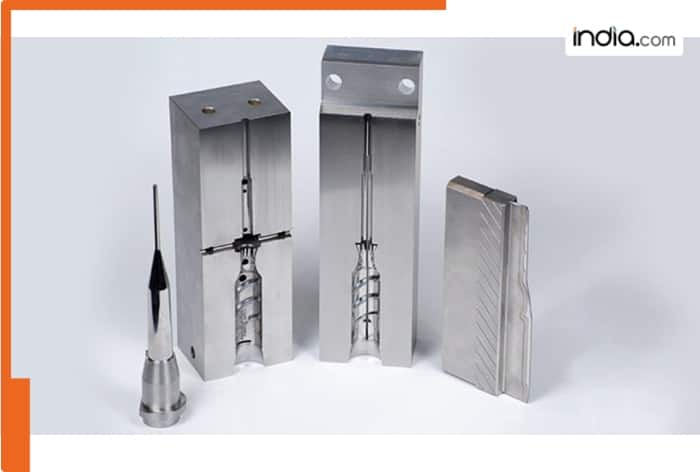
ASC 360 ( Property, Plant, and Equipment ) regulates recognition, measurement, depreciation, and impairment of long-lived serviceable property. Tooling – molds, dies, jigs, fixtures, and other special production equipment is often treated as a long-lived asset in that it gives future economic use beyond one production cycle and is utilized in production over many cycles.
Under ASC 360, the capitalization of tooling is necessary when:
1. One accounting judgement of ASC 360 is whether the tooling costs should be:
In capitalized (an asset that is being depreciated) or
Immediately expensed (treated as period cost).
2.Tooling is capitalized when:
3. Tooling is typically expensed when:
This decision materially affects financial statements, especially in capital-intensive industries such as automotive, aerospace, and industrial manufacturing.
4. Initial Measurement
Under ASC 360-10-30, capitalized tooling is measured at historical cost, including:
Costs related to inefficiencies, abnormal waste, or training are excluded and expensed as incurred.
5. Depreciation Method and Useful Life
Once capitalized, tooling is depreciated systematically over its useful life, which may be based on:
Common methods:
The choice of method should reflect the pattern of economic benefit consumption.
6. Impairment under ASC 360
Tooling is subject to impairment testing when triggering events occur, such as:
Recoverability is tested by comparing undiscounted cash flows to carrying value. If not recoverable, the asset is written down to fair value.
7. Financial Statement Impact
Proper tooling capitalization materially affects:
Income Statement
Balance Sheet
Cash Flow Statement
This makes tooling capitalization a strategically significant accounting policy choice in manufacturing businesses.
8. Internal Controls and Audit Considerations
Strong governance is required:
Auditors focus on:
9. Strategic and Operational Relevance
When applied consistently and analytically, tooling capitalization under ASC 360 becomes both an accounting and strategic financial management tool.
10. A Practical, Step-by-Step Framework for Tooling Capitalization
In practice, I approach tooling capitalization under ASC 360 by following a structured, step-by-step decision process rather than relying on isolated judgment calls. First, I confirm ownership economics—whether the tooling is owned or economically controlled by the company and whether future benefits truly accrue to the entity. Next, I assess program specificity, determining whether the tooling is tied to a repeat or serial production program rather than prototype or trial use. I then validate the useful life by working closely with engineering to confirm expected production cycles or time-based utilization. After that, I evaluate production volume sensitivity, ensuring that the capitalization and depreciation pattern aligns with how economic benefits are consumed. Finally, I explicitly assess impairment probability, considering customer dependency, program cancellation risk, and technological obsolescence.
By moving through these steps in sequence, what is often a subjective accounting judgment becomes a disciplined, auditable framework that can be consistently applied across tooling programs and reporting periods.
11. Conclusion
Tooling capitalization under ASC 360 is not a mechanical exercise; it requires professional judgment, operational insight, and disciplined governance. Correct application ensures faithful representation of economic reality while materially shaping profitability, asset valuation, and financial performance trends. In capital-intensive manufacturing environments, tooling accounting policy can be one of the most consequential levers of reported financial outcomes.
By- Yogesh Bhatia – Head of Finance Anand NVH North America INC

For breaking news and live news updates, like us on Facebook or follow us on Twitter and Instagram. Read more on Latest Money News on India.com.