English




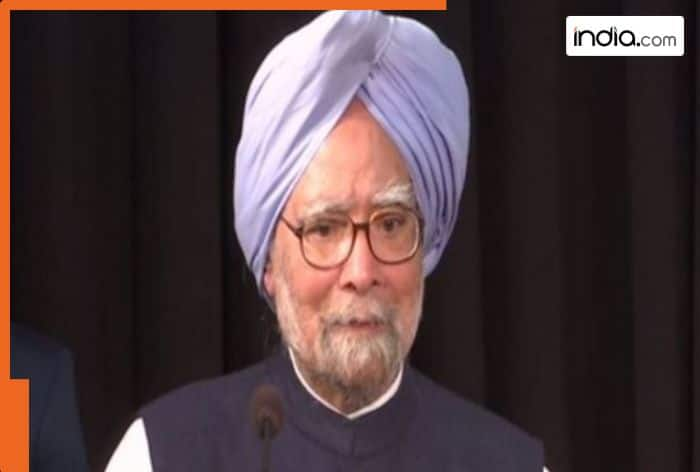
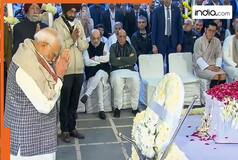
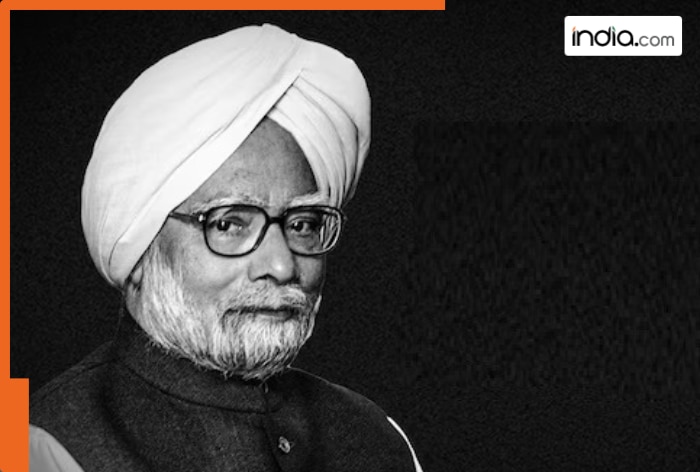
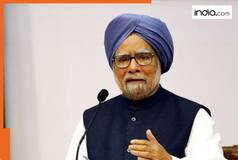
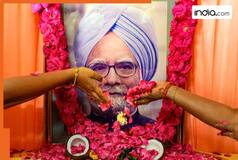
Former Prime Minister Dr Manmohan Singh passed away at AIIMS on December 26. Singh was admitted to the hospital in a critical condition . He was 92. Dr Singh was the fourth longest-serving prime minister after Jawahar Lal Nehru, Indira Gandhi and Narendra Modi.
Dr. Singh had served the country while holding key positions in the government. Before commencing his career in politics, Dr Singh had served the Reserve Bank of India as 15th governor from 16 September 1982 to 14 January 1985.
Political career
Former Indian Prime Minister PV Narsimha Rao chose Dr Singh as finance minister in his cabinet. Dr Singh himself revealed the fact to British Journalist Mark Tully.
Dr Singh had briefed the then PM Narsimha Rao that it was necessary to deregulate the economy as it was at the brink of collapse. Rao gave his consent to him to deregulate the Indian economy. He was the finance minister who ended ‘Permit Raj’ in the country. He also reduced the control of state on the economy and reduced import taxes.
He had offered his resignation in 1993 after being criticised for not being able to sense the $1.8 billion 1992 Securities scandal. The then PM Rao did not accept his resignation.
Manmohan Singh in Rajya Sabha
Dr. Manmohan Singh was first elected to the Rajya Sabha in 1991 from the state of Assam. He was subsequently re-elected in 1995, 2001, 2007, and 2013. He served as the Leader of the Opposition in the Rajya Sabha during the Vajpayee government from 1998 to 2004.
Dr Singh also fought Lok Sabha elections in 1999 from south Delhi constituency but he did not win the seat.
Manmohan Singh as Prime Minister
After Congress emerged as the single largest party in the 2004 Lok Sabha elections, Dr. Singh was nominated for the position of Prime Minister by Sonia Gandhi. He took the oath of office as Prime Minister of India on May 22, 2004. Key achievements of his government during his tenure include a GDP growth of 9 percent, making India the second-fastest growing economy in 2007. His government also enacted the National Employment Guarantee Scheme (MGNREGA) in 2005
In the 2009 elections, the UPA returned to power, securing a comfortable majority with 322 seats in the Lok Sabha. Manmohan Singh took the oath for a second term on May 22, 2009, during a ceremony at Rashtrapati Bhavan.
Dr. Singh was summoned by the Joint Parliamentary Committee (JPC) in April 2013 for his alleged involvement in the 2G case, but the former prime minister declined to appear before it.
Dr. Manmohan Singh was a revered personality worldwide, and his demise is certainly a great loss.