The Ashoka Chakra was suggested by B.R. Ambedkar to honour the warrior-turned-pacifist Buddhist emperor Ashoka.
Independence Day 2022: India is all decked up to celebrate its 76th Independence Day on August 15. This day commemorates India’s independence from colonial rule after two centuries of oppression and suppression at the hands of the British. The celebration of Independence Day honours the sacrifices and tireless efforts of our courageous leaders and freedom fighters who gave their entire life for the sake of the nation and the countrymen.
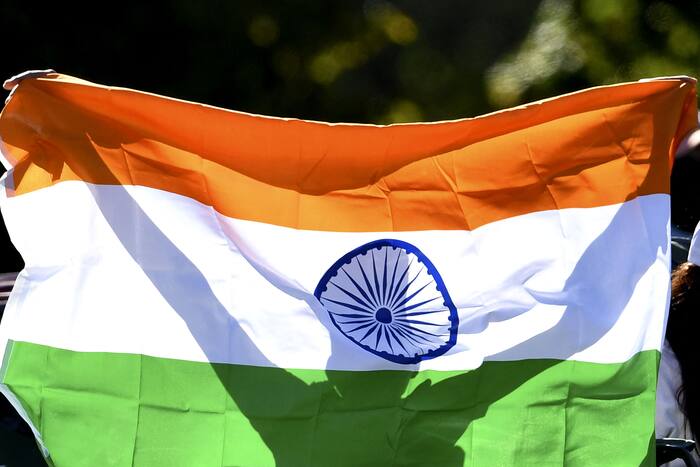
Hence, to commemorate the 75th anniversary of Independence Day, let’s revisit some significant and historical elements that represent India. Speaking of significant elements that represent India, one of the important symbol is the Ashoka Chakra seen on the Indian National flag rendered in a navy blue colour on a white background.
Here are some interesting facts about the Ashoka Chakra:
The Ashoka Chakra is a depiction of the Dharmachakra – a wheel represented with 24 spokes.
The Ashoka Chakra features in the middle of the tricolour, and has twenty-four spokes. It was adopted on July 22, 1947.
Ashoka Chakra is also called the wheel of duty.
The most visible use of the Ashoka Chakra today is at the centre of the Flag of India where it is rendered in a navy blue colour on a white background, replacing the symbol of charkha (spinning wheel) of the pre-independence versions of the flag.
The idea of the spinning wheel or the Chakra was put forth by Lala Hansraj, and Gandhi commissioned Pingali Venkayya to design a flag on a red and green banner.
The wheel is called the Ashoka Chakra because it appears on a number of edicts of Ashoka, the most prominent among which is the Lion Capital of Ashoka.
Each spoke on the chakra symbolises one principle of life and also the twenty-four hours in the day, which is why it is also called the ‘Wheel of Time’.
The chakra was modelled after the ‘wheel of dharma,’ a religious motif from Hinduism, Jainism, and especially Buddhism.
But, later the makers of the flag instead attributed a meaning to each spoke — each represented a value that India would use to progress in the world.
Some of the twenty-four principles that the spokes represent are — love, courage, patience, self-sacrifice, truthfulness, righteousness, spiritual knowledge, morality, welfare, industry, faith and prosperity, among others.
By clicking “Accept All Cookies”, you agree to the storing of cookies on your device to enhance site navigation, analyze site usage, and assist in our marketing efforts Cookies Policy.