 English





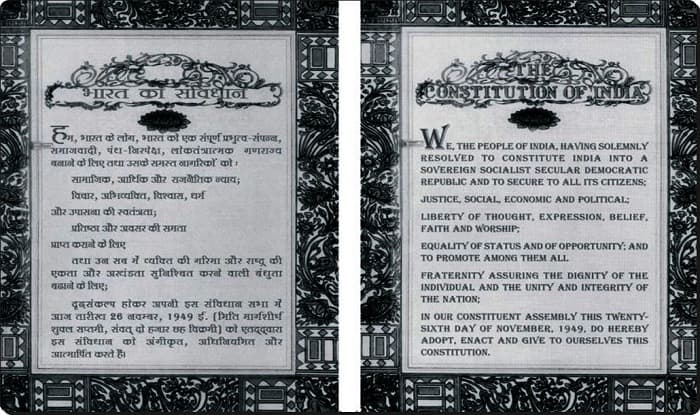
New Delhi, Nov 26: The Constitution Day in India, also known as Samvidhan Divas, is celebrated on 26th of November every year to spread the importance of the constitution and thoughts and ideas of Dr. Bhimrao Ramji Ambedkar. On this day in 1949, the Constituent Assembly of India adopted the Constitution of India, which went into effect on 26 January 1950.
The Government of India declared 26 November as Constitution Day in honour of Dr.B.R. Ambedkar who is known as the Father of Constitution of India. The constitution of India is very unique all over the world and has taken around 2 years, 11 months and 17 days to pass by the Constituent Assembly.
Dr. Ambedkar was invited by the Congress government to serve as a first law minister of the India after India’s independence. He was appointed as the Constitution Drafting Committee’s Chairman on 29th of August and was the chief architect of the Indian constitution and known for the strong and united India. The constitution of Indian was adopted to constitute the country as an independent, communist, secular, autonomous and republic to secure the Indian citizens by the justice, equality, liberty and union.
Greetings to citizens of India on the occasion of #ConstitutionDay . Let us reiterate our pledge to uphold the Constitution of India. pic.twitter.com/AMXdB80uGA
— M Venkaiah Naidu (@MVenkaiahNaidu) November 26, 2016
Its #ConstitutionDay today !!
The Supreme Text that binds us all, Constitution of India was adopted #OnThisDay in 1949. pic.twitter.com/G70EBQB31L— Prasar Bharati (@prasarbharati) November 25, 2016
#QuoteOfTheDay: So long as you do not achieve social liberty, whatever freedom is provided by the law is of no avail to you.
-Dr. Ambedkar pic.twitter.com/rtZr9CUg2m— Prasar Bharati (@prasarbharati) November 26, 2016
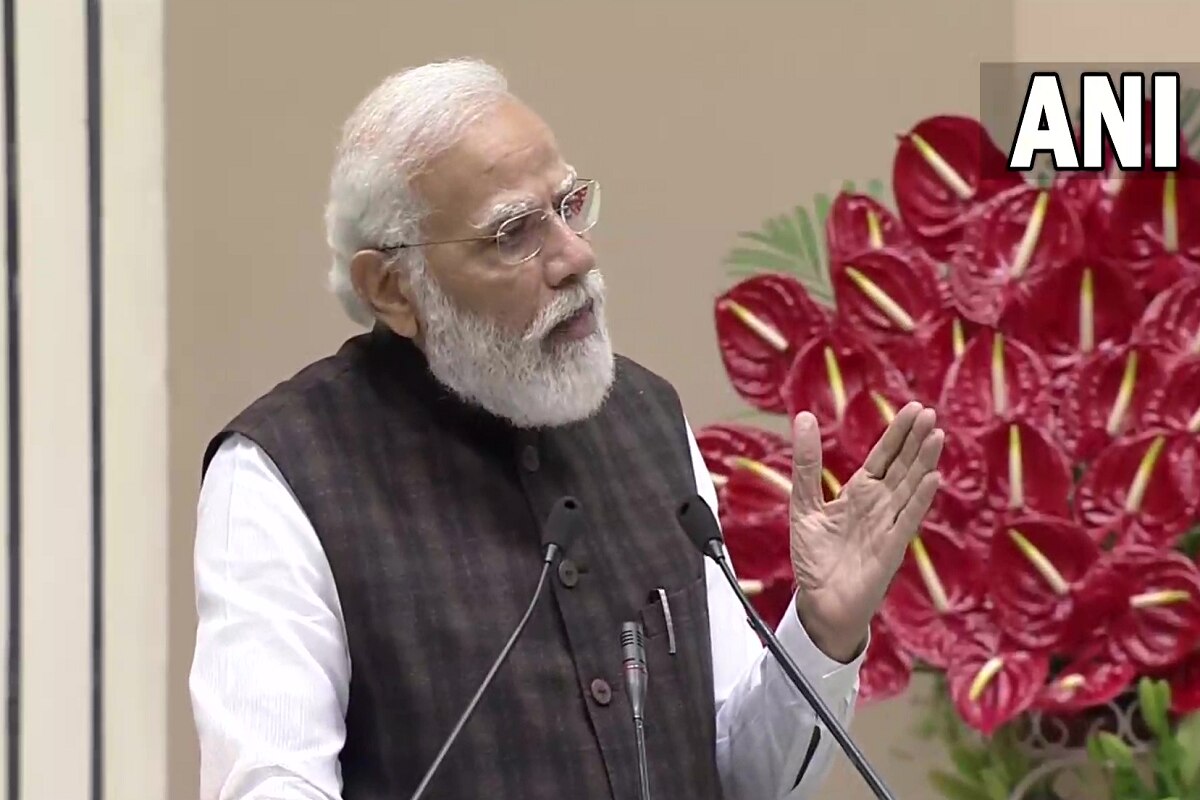
Prime Minister Narendra Modi made the declaration on 11 October 2015 on the occasion of laying the foundation stone of the Ambedkar memorial in Mumbai. The citizens of India were entered to a new constitutional, scientific, self-governing and modern India with the peace, poise and progress when the constitution of India was adopted.Previously this day was celebrated as Law Day.
What are fundamental duties and why are they important?
These fundamental rights are a constant reminder to the citizens that they have duties in building up a free, egalitarian, healthy and responsible society. These are expected to act as damper to reckless and anti-social activities on the part of some individuals. The fundamental duties are contained in Art. 51A.
List of Fundamental Duties: Art. 51A, Part IVA of the Indian Constitution, specifies the list of fundamental duties of the citizens. It says “it shall be the duty of every citizen of India.
One more Fundamental duty has been added to the Indian Constitution by 86th Amendment of the constitution in 2002.







For breaking news and live news updates, like us on Facebook or follow us on Twitter and Instagram. Read more on Latest India News on India.com.
