


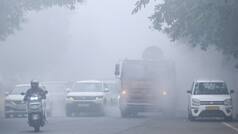


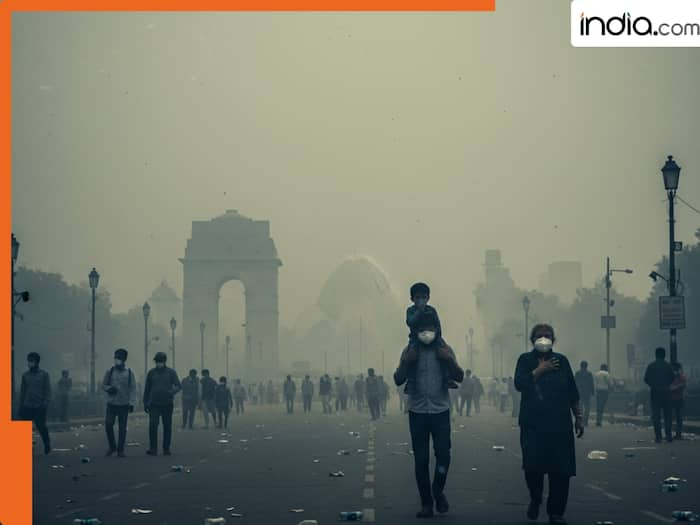
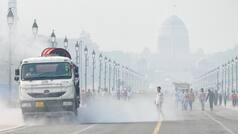
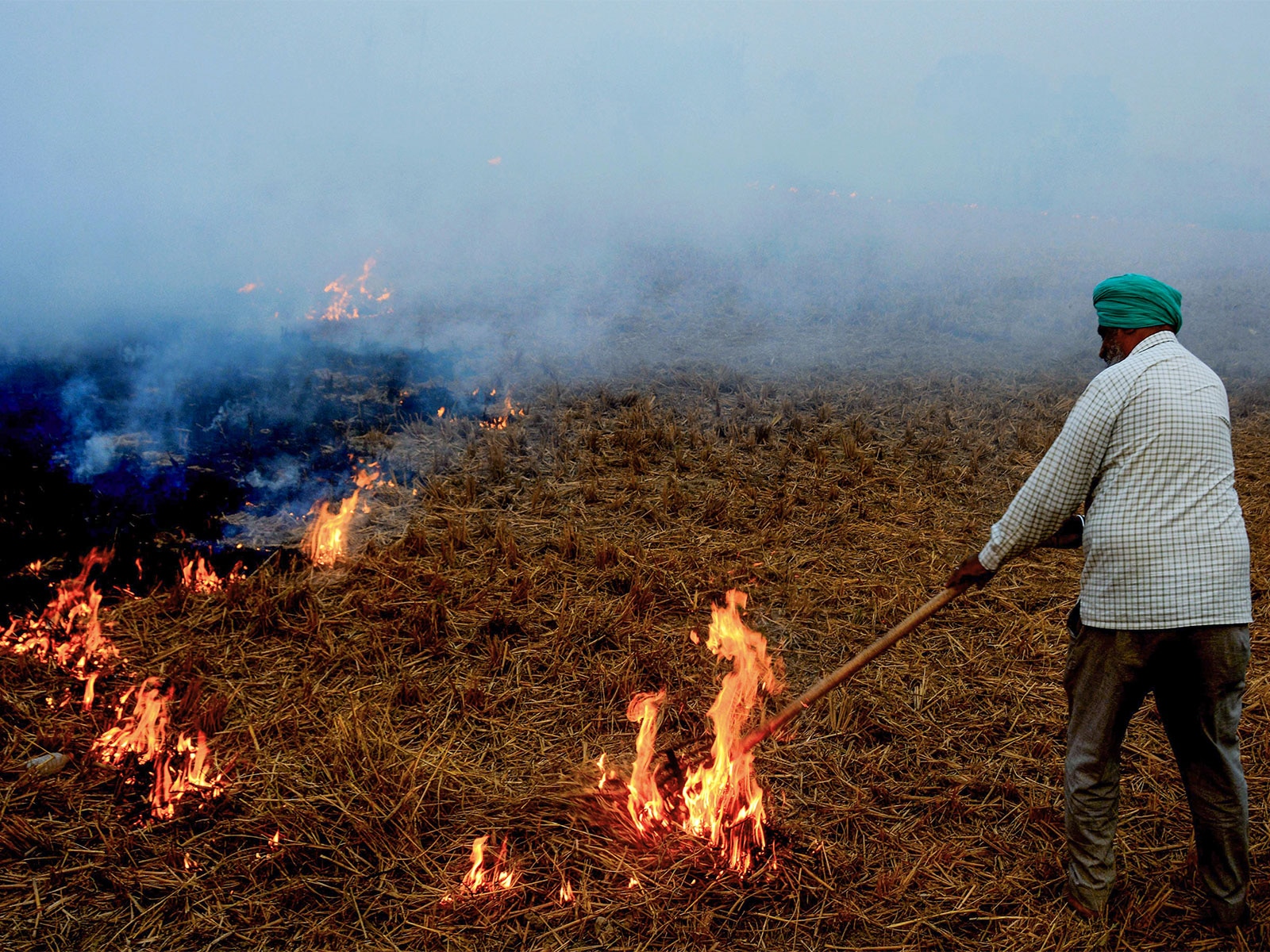
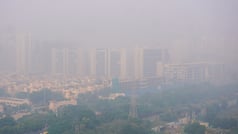
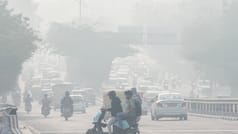
Delhi Pollution: The air quality of Delhi continued to be in the ‘severe’ category for the second consecutive day on Sunday (December 14, 2025). However, the situation is likely to improve slightly to the ‘very poor’ category on Monday (December 15). Owing to the deteriorating air quality, the authorities have implemented the highest level of emergency curbs with immediate effect. Delhi’s Air Quality Index (AQI) crossed the 450-mark, triggering measures aimed at preventing any further spike in pollution and safeguarding public health. As part of the Stage IV action plan, the entry of trucks into Delhi has been completely stopped, except for those carrying essential commodities or providing essential services. However, trucks running on LNG, CNG, electricity or BS-VI diesel are permitted to enter the city.
Children exposed to toxic air require strong nutritional support, including antioxidant-rich fruits and vegetables, adequate hydration, and foods high in vitamins C, E, and omega-3 fatty acids.
More than 40 flights cancelled from Delhi Airport due to fog
Air India flights cancelled so far:
• AI2767 / 2768
• AI1787 / 1872
• AI1721 / 1837
• AI1701 / 1806
• AI1725 / 1860
• AI1745 / 1890
• AI1797 / 1838
• AI1703 / 1884
• AI2653 / 2808
• AI2469 / 2470
• AI866
• AI1737 / 1820
• AI1719 / 1844
• AI1785 / 1851
• AI2495 / 2496
• AI1715 / 1816
• AI3313 / 3314
• AI881 / 882
• AI2465 / 2880
According to the pollution board, air quality is categorised as ‘moderate’ when the AQI ranges between 101 and 200, ‘poor’ between 201 and 300, and ‘very poor’ between 301 and 400. When the AQI exceeds 400, air quality is classified as ‘severe’.
Pollution levels remained alarming across multiple monitoring stations. In the Akshardham area, the AQI was recorded at 493, which falls under the ‘severe’ category as per the Central Pollution Control Board (CPCB).
Shila Yadav, a health expert, told PTI that with AQI levels hovering between 300 and 400, and even breaching 450, people should avoid outdoor walking or exercise, particularly in the morning hours. She added that while physical activity should not be stopped, it should be moved indoors to prevent fine particulate matter like PM2.5 from penetrating deep into the lungs.
On Sunday, 38 of 39 functional monitoring stations showed ‘severe’ or ‘severe-plus’ readings for long stretches. At Wazirpur, Rohini and Ashok Vihar, the 24-hour average AQI touched 500, which is the maximum that instruments record.
Delhi woke up on Monday to another day of choking pollution, with the citywide air quality index at 493 at 7 am, according to Central Pollution Control Board data.
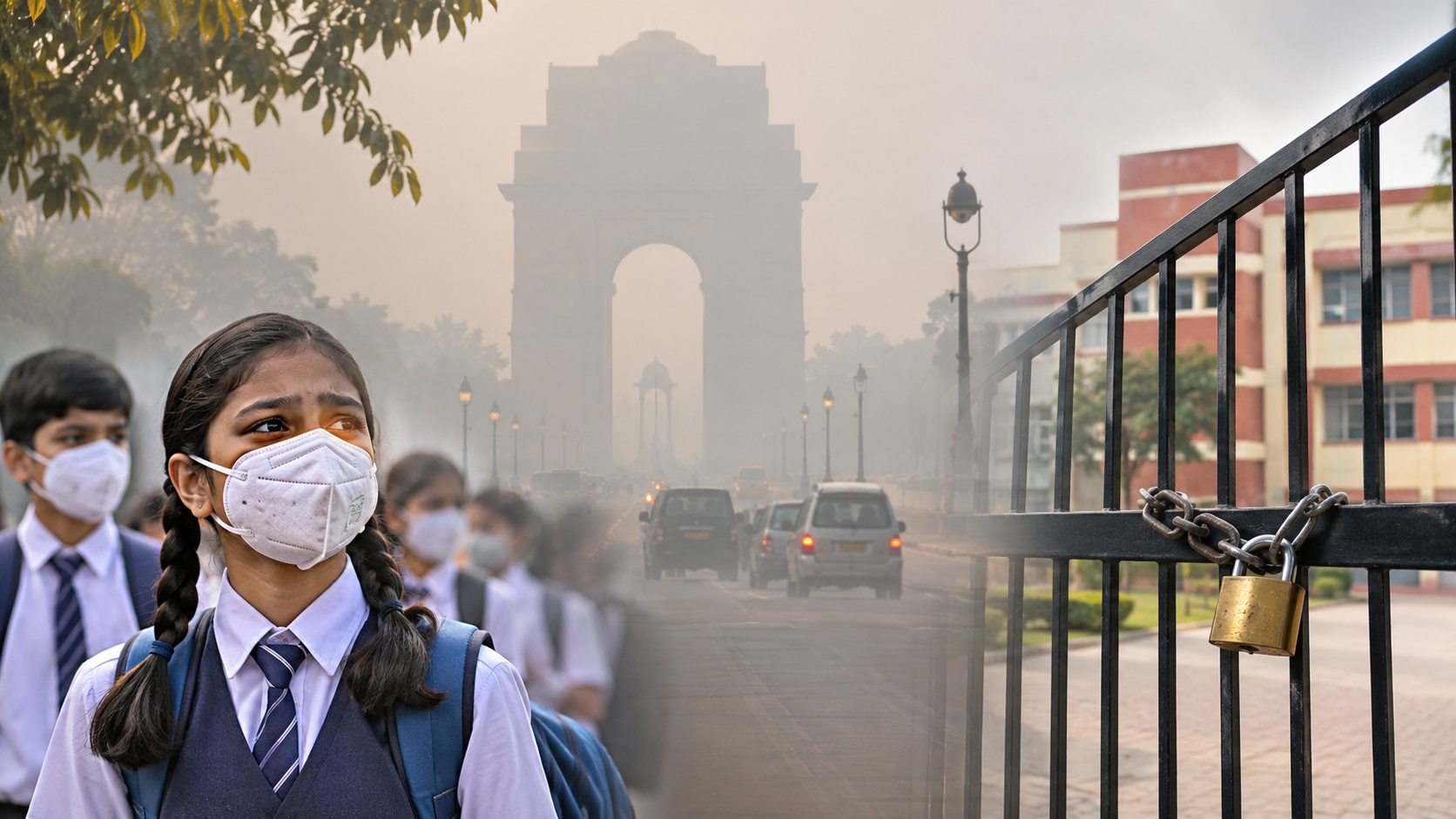
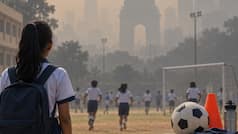
In a letter to the chief secretaries of Delhi, Haryana, Rajasthan and Uttar Pradesh on Saturday, the Commission discussed its concern that “some schools and institutions in Delhi-NCR were still holding outdoor sports activities” despite earlier directions issued in line with a Supreme Court order dated November 19.
Outdoor activities are discouraged, especially for children, the elderly and those with respiratory conditions.
Under GRAP Stage-IV, authorities typically impose emergency restrictions including a ban on most construction and demolition activities, curbs on the entry of non-essential diesel trucks into Delhi, restrictions on certain categories of vehicles, and advisories for offices to reduce physical attendance through work-from-home or staggered timings.



For breaking news and live news updates, like us on Facebook or follow us on Twitter and Instagram. Read more on Latest India News on India.com.

