


Joy Pillai
Joy Pillai is a Senior Journalist at India.Com (Zee news), where he is dedicated to sculpting interesting financial stories and trending stories. With a keen eye on Indian politics and world affairs h ... Read More


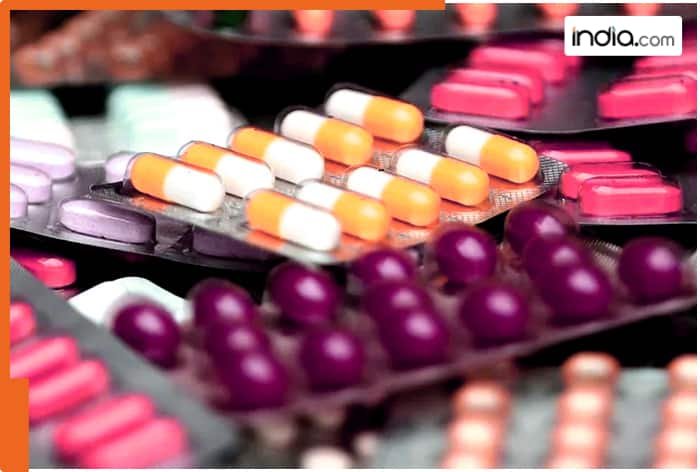
In a major development, the drug price regulator of India has approved a price hike of more than 50 percent for essential drugs. These drugs are used to treat conditions such as asthma, tuberculosis, glaucoma, thalassemia, and mental health disorders. The price hike has been approved to prevent these crucial medicines from “disappearing” from the Indian market.
The ceiling prices of eight scheduled drugs has been revised by the National Pharmaceutical Pricing Authority (NPPA) in order to fulfil the “twin objectives of availability and affordability,” NPPA press released read. Notably, most of these medicinal drugs are low in cost and are used as a first-line treatment which is very crucial to India’s public health programmes.
The revised price ceilings apply to eleven formulations.
The National Pharmaceutical Pricing Authority (NPPA) recently made public that they’re getting a several requests from manufacturers wanting to hike up their prices. Why the sudden surge? It seems to be stemming from challenges like the increasing cost of key pharmaceutical components, production expenses on an upward trend, and changing foreign currency rates. The fact of the matter is, these burdens are making it a serious struggle for some companies to sustain the production and sales of certain medications. Some are so much feeling the pinch that they’re asking to stop making certain medications altogether because sustainability’s becoming an issue. The NPPA has noticed that companies are even moving to halt certain formulations for the same reasons.
This action is immensely crucial as there’s a looming threat of affordable medicines disappearing from the Indian markets, mirroring the fate of various other formulations which Indian producers now import from China. Most of the time, pharmaceutical manufacturers are seeking either a hike in the prices or authorization to stop manufacturing, given that the imposed price ceilings have made production unviable. For instance, Benzylpenicillin (10 lakh IU injection), an antibiotic used to combat a range of bacterial infections including those affecting the throat, ear, respiratory system, skin, soft tissues, and sexually transmitted infections like syphilis, is a case in point.
The big companies manufacturing these injections are Hindustan Antibiotics Limited and Alembic Pharma. These two companies sell these injections at affordable prices between Rs 6 and Rs 9 per injection.
Atropine sulphate, an inexpensive injection priced between Rs 3 to 5, comes into play when dealing with bradycardia (a slow heart rate condition). Made by T Walker’s Pharmaceuticals, it’s handy during heart-related emergencies and influences heartbeat normalization, plus, docs often use it before general anaesthesia to reduce salivation.
Streptomycin, in the fight against tuberculosis, it teams up well with other drugs. It’s an antibiotic made by Hindustan Antibiotics and Macleods Pharma, and its primary role is to curb the growth of tuberculosis-borne bacteria. The price is nothing alarming – you can get it for something between Rs 7 and Rs 9.
Deferoxamine is a life-saving injection primarily used for dealing with iron excess and blood transfusion-related thalassemia. It’s aimed at aiding those that have to undergo regular blood transfusions. Novartis sells this vital medication for around Rs 160.
According to chairman of critical care at Gurugram’s Medanta Hospital Dr Yatin Mehta, “These are low cost but essential drugs. No point in killing the chicken before it lays the eggs. Industry also must survive. This action is timely and essential.

For breaking news and live news updates, like us on Facebook or follow us on Twitter and Instagram. Read more on Latest India News on India.com.
