


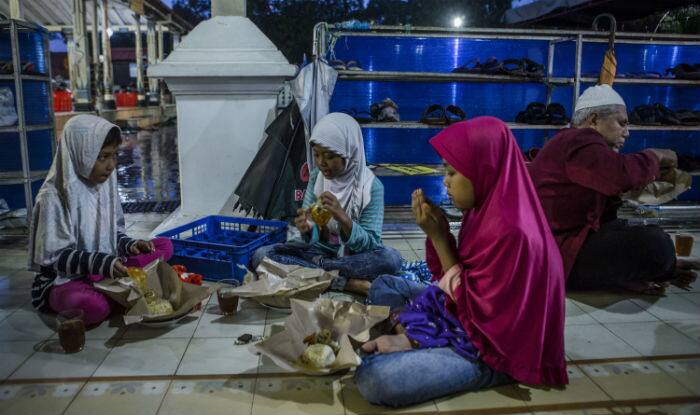
June 8: The Muslim holy month of Ramadan started this week and the world’s 1.6 billion Muslim population will be observing fast during this festival. The festival is one of the most important ones for followers of Islam. The month of Ramadan is the most sacred month of the year for Muslims and this very fact is underlined succinctly by saying this one saying of the Prophet Mohammed, “When the month of Ramadan starts, the gates of heaven are opened and the gates of Hell are closed and the devils are chained.”
Muslims believe that it was during the month of Ramazan or Ramadan, that God revealed the first verses of the Quran- the holy book containing the sacred text upon which Islam is based. The verses were revealed to Mohammed on the night known as the Laylat-al-Qadr or “The Night of Power”. To mark this holy month, Muslims observe fast from sunrise to sunset, every day for the entire month. But what esxactly is the purpose of fasting during Ramadan? ALSO READ: History of Ramadan Kareem: How Ramazan turned into one of the five tenets of Islam?
Fasting during Ramadan is not just about refraining from eating for a stipulated time period during the day. It has a deeper, more profound significance related to the spiritual growth of a human being. The month of fasting is supposed to be a time of deep contemplation about one’s relationship with God, extra prayer, charity and generosity and concentrated and meditative study of the Holy Book of Quran. Here is why Muslims fast during Ramadan:

For breaking news and live news updates, like us on Facebook or follow us on Twitter and Instagram. Read more on Latest India News on India.com.