





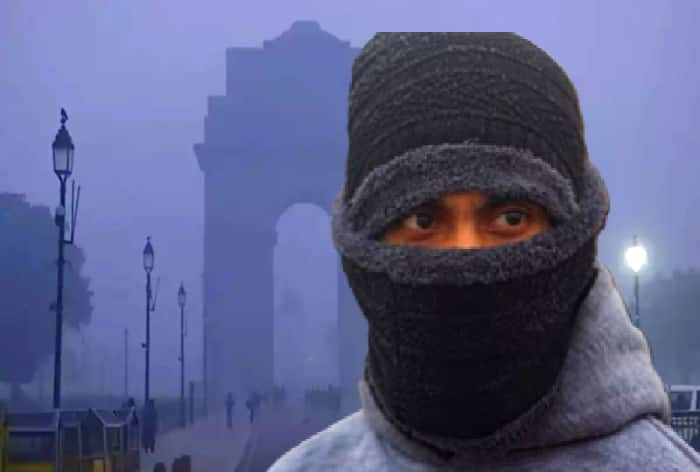
Weather Warning: Residents of Delhi and adjoining National Capital Region (NCR) shivered in bone-chilling cold as mercury dropped to levels not seen in over a decade. Palam area in the capital city recorded a minimum temperature of 3 degrees Celsius, the lowest in 13 years. The Indian Meteorological Department (IMD) has issued a yellow alert for the next two days, stating that the cold wave conditions may intensify further in several areas. It has warned that the spell of extreme cold is expected to continue in parts of North India including – Punjab, Rajasthan, Haryana and Uttar Pradesh for the next few days. Isolated parts of hilly states also recorded temperatures below zero. Check weather forecast.
Delhi’s Palam recorded a minimum temperature of 3 degrees Celsius on Sunday night, lowest in 13 years. Another area Ayanagar witnessed 2.9 degrees Celsius. the weather department has issued a yellow alert for cold wave for Monday, stating that the cold wave conditions to persist until Tuesday. Temperatures may fall further in several areas.
#WATCH | Delhi: A thin layer of fog blankets the Dhaula Kuan area as the cold wave continues in the National Capital. pic.twitter.com/3YxNQ1y7B5
— ANI (@ANI) January 12, 2026
According to India Meteorological Department (IMD), extreme cold wave conditions are expected to continue for the next few days in parts of North India, including Punjab, Rajasthan, Haryana And Uttar Pradesh. IMD has also warned of severe cold wave conditions in isolated parts. Bathinda became the coldest place in Punjab with 1.6 degrees Celsius.
Hilly areas like – Himachal Pradesh, Jammu and Kashmir and Uttarakhand witnessed temperatures below zero degrees Celsius. The temperature plunged to the freezing point in Punjab and Haryana. Rajasthan also witnessed severe cold wave conditions in isolated places.
| State / Region | Cold Wave Outlook | Period |
|---|---|---|
| Rajasthan | Cold wave to severe cold wave conditions in many pockets; easing later | Jan 12–13 (severe), Jan 14 (cold wave) |
| Himachal Pradesh | Severe cold wave in isolated pockets, followed by cold wave | Till Jan 13 (severe), Jan 14 (cold wave) |
| Uttarakhand | Severe cold wave in isolated areas, then cold wave | Jan 12 (severe), Jan 13–14 |
| Punjab | Severe cold wave in isolated pockets, easing | Jan 12 (severe), easing Jan 13 |
| Haryana | Severe cold wave in isolated pockets, easing | Jan 12 (severe), easing Jan 13 |
| Chandigarh | Severe cold wave in isolated pockets, easing | Jan 12 (severe), easing Jan 13 |
| Delhi | Severe cold wave in isolated pockets, easing | Jan 12 (severe), easing Jan 13 |
| West Uttar Pradesh | Severe cold wave, then cold wave conditions | Jan 13 (severe), till Jan 14 |
| Jharkhand | Cold wave in isolated pockets | Jan 14–16 |
| Kutch region (Gujarat) | Cold wave conditions | Jan 12–13 |
The weather department stated that dense to very dense fog very likely during the morning hours over parts of north India, specially in Bihar. The dense fog reduces the visibility on roads, increasing the risk of mishaps. Railways and airports operations have also been affected by the fog.
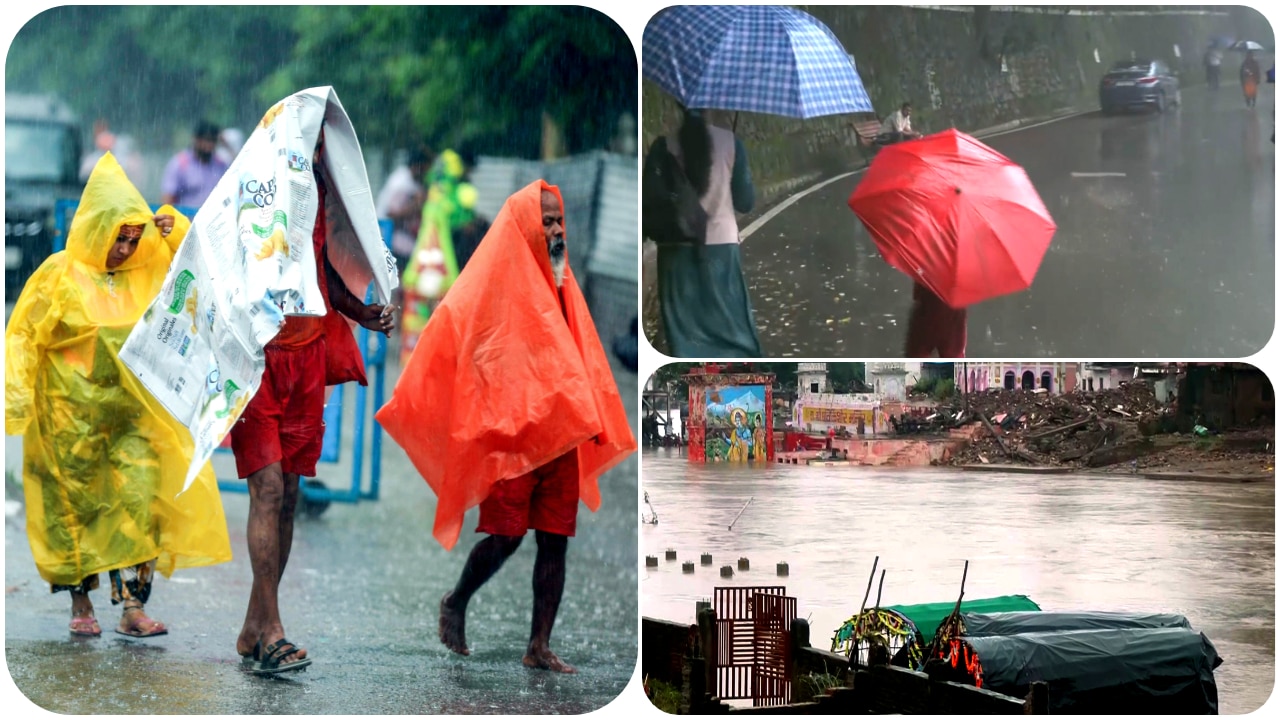
Several areas of Tamil Nadu and Karaikal region witnessed rainfall on Sunday due to the northeast monsoon. The IMD stated that the temperatures in these areas are expected to remain stable.
Moderate showers are likely in Chennai over the next seven days.
IMD has issued heavy rain warnings for Cuddalore, Ariyalur, Mayiladuthurai, Nagapattinam, Tiruvarur, Thanjavur and Pudukkottai districts.









For breaking news and live news updates, like us on Facebook or follow us on Twitter and Instagram. Read more on Latest India News on India.com.

