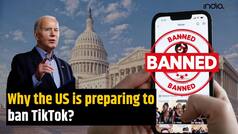



In a significant development, potentially impacting the future of the business, world’s richest man Elon Musk is preparing for a big purchase the American business of Chinese short video platform TikTok this year. For those unversed, the current US government is preparing to ban TikTok for security reasons but with the sale to Elon Musk, who is quite close to US President-elect Donald Trump, things might change drastically for TikTok.
Beyond all this, have you ever imagined who is the man behind Tik Tok, a company which has 17 crore active users in America?
Bytedance was founded in 2012 by Singapore-based Chinese-origin Zheng Yiming, who is ranked 30th in the list of the world’s top rich people. According to the Bloomberg Billionaire Index, his net worth is $43.9 billion. Zheng, known as the short video king, is China’s third richest person. In October last year, his net worth reached $50 billion and he became China’s richest person.
In the Indian context, the valuation of Bytedance is close to $300 billion, which is more than India’s Mukesh Ambani led Reliance Industries.
Tik Tok is a platform by Bytedance, a company founded in 2012 by Singapore-based Chinese-origin Zheng Yiming. Zheng Yiming is ranked 30th in the list of the world’s top rich people and according to the Bloomberg Billionaire Index, his net worth is $43.9 billion. Zheng, who is also known across teh world as the short video king, is China’s third richest person.
TikTok and ByteDance, as well as some users who post content on the app, have challenged a law passed by Congress with strong bipartisan support last year and signed by outgoing Democratic President Joe Biden, whose administration is defending it, as per a report by news agency Reuters.
During arguments in the case, the nine justices probed the nature of TikTok‘s speech rights and the government’s concerns over national security – that the app would enable China’s government to spy on Americans and carry out covert influence operations.
TikTok, ByteDance and the app users appealed a lower court’s ruling that upheld the law and rejected their argument that it violates the US Constitution’s First Amendment protection against government abridgment of free speech.
(With inputs from agencies)