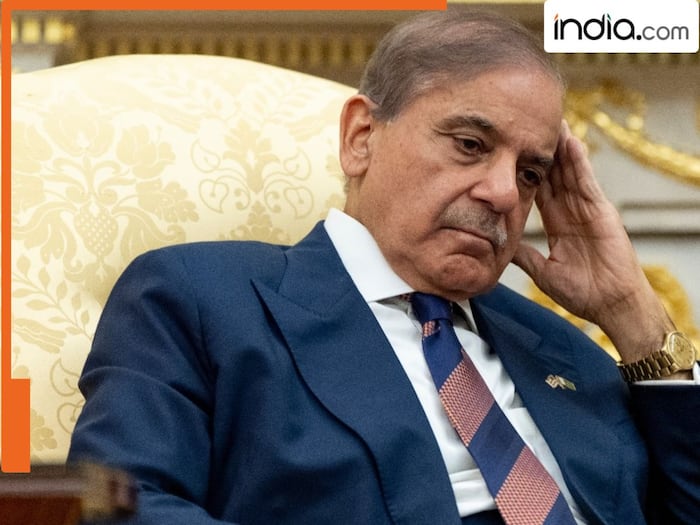
Iran-US-Israel war: In a matter of concern for Shehbaj Sharif’s Pakistan, rising tensions in the Middle East are beginning to shake global energy markets, including the economy of Pakistan. With growing fears about the safety of one of the world’s most important oil routes, the conflict involving Iran has raised serious concerns around the Strait of Hormuz, a narrow passage through which nearly 20 percent of the world’s oil and gas supply travels every day, causing a sense of panic in Pakistan. Recent reports have said that Pakistan only has 10 days of crude oil reserves left. Here are all the details you need to know about the crude oil crisis Pakistan is facing amid the Iran-US-Israel war.
What is happening in global oil markets?
In the recent media reports, as uncertainty in the region grows, global oil markets have reacted sharply. Crude oil prices have already risen by nearly 15 percent in a short period, and analysts warn that if the disruption continues, prices could approach $100 per barrel in the coming weeks.
Why is Pakistan in trouble?
The situation is particularly worrying for countries that rely heavily on imported energy. Pakistan is among those most affected, with reports suggesting its crude oil reserves may last only about 10 days, while petroleum reserves could last around 28 days, multiple media reports said.
If reports are to believed, LPG supplies are expected to last roughly 15 days. Therefore, with limited reserves and uncertainty over future shipments through the Strait of Hormuz, the Pakistani government has urged citizens to reduce fuel consumption. Moreover, the Pakistani authorities have also encouraged people to work from home where possible in order to lower energy use and help manage the potential shortage.