


Shrimansi Kaushik
Bibliophile. Major interests areas are Arts, History & Culture, Food, Travel and everything related to everyday life of living creatures. 27-Years-Old. Born and brought up in Chandigarh. Lives in ... Read More


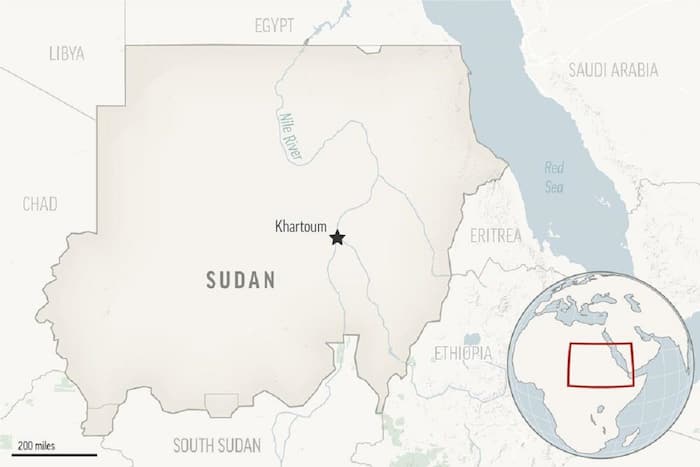
Ad-Damazin: Around 200 people were killed in ethnic clashes continued for two days in Sudan’s southern Blue Nile state. The official media announced on Saturday that the earlier death toll of 150 has now increased to 200. Clashes in Blue Nile, which borders Ethiopia and South Sudan, broke out last week after reported disputes over land between members of the Hausa people and rival groups that caused hundreds to flee intense gunfire, homes and shops being set ablaze.
Fighting peaked on Wednesday and Thursday to some of the worst in recent months, prompting the provincial governor to declare a state of emergency on Friday.
“Two hundred people were killed” in three villages in the Wad al-Mahi area, some 500 kilometres (310 miles) south of the capital Khartoum, said local assembly chief Abdel Aziz al-Amin. “Some of the bodies have not been buried yet,” he told state television, calling on “humanitarian groups to help” local authorities bury the dead.
Governor Ahmed al-Omda Badi had ordered a “state of emergency… in the whole Blue Nile state for 30 days”, according to a Friday provincial decree. Abbas Moussa, the head of the Wad al-Mahi hospital, told AFP on Thursday that “women, children and elderly” were among those dead.
Several hundred people had demonstrated in the Blue Nile capital, Ad-Damazin, earlier that day, raising slogans of “No to violence”. Some demanded Governor Badi be sacked, accusing him of not protecting them.
From July to early October, at least 149 people were killed and 65,000 displaced in Blue Nile, according to the United Nations. The Hausa have mobilised across Sudan, claiming they are discriminated against by tribal law which forbids them to own land in Blue Nile because they were the last group to arrive there.
The issue of access to land is highly sensitive in impoverished Sudan, where agriculture and livestock account for 43 percent of employment and 30 percent of GDP, according to UN and World Bank statistics. Sudan has been grappling with deepening political unrest and a spiralling economic crisis since last year’s military coup led by army chief Abdel Fattah al-Burhan.
A surge in ethnic violence in recent months has highlighted the security breakdown in Sudan since the coup. A total of 546 people were killed and at least 211,000 forced to flee their homes in inter-communal conflicts across the country from January to September, according to the UN.
