




Bangladesh Protests: Mobile internet services were restored in violence-torn Bangladesh on Sunday, 10 days after it was snapped by authorities to “prevent the spread of fake news on social media” amidst the deadly nationwide protests over the quota system in government jobs which have left at least 100 people dead and thousands injured.
According to reports in the Bangladeshi media, mobile internet connectivity was restored at around 3:00 pm local time on Sunday, with users of Robi, Grameenphone, Banglalink and other operators in Dhaka saying they could access the internet through their phones around that time.
Addressing a press conference in Dhaka, Minister of State for Information and Communication Technology (ICT) Zunaid Ahmed Palak announced that 5GB internet will be given for free to all users for three days after the connection is restored, the Dhaka Tribune newspaper reported.
The Sheikh Hasina government had shut down mobile internet services across the country on July 18, following escalation of violence in the deadly protests which have rocked Bangladesh since the beginning of this month after a High Court overturned and reinstated the controversial quota system in government job.
At the time, Palak said the decision was made “in light of the current crisis in the country and to stop the spread of fake news on social media”, The Daily Star newspaper reported.
The next day, amid escalating violence, the Department of Disaster Management building was set on fire, adjacent to which was a data centre. While Internet Service Providers Association of Bangladesh (ISPAB) officials said that the fire might cut 30-40 per cent of the bandwidth supply, broadband internet connection for the entire country was disrupted within an hour.
Between July 18 and July 23, Bangladesh stayed disconnected from both broadband and mobile internet, but broadband internet was restored in stages.
However, mobile internet remained unavailable until Sunday.
Regarding access to social media platforms, Palak said the Bangladesh Telecommunication Regulatory Commission (BTRC) has sent letters to authorities of social media platforms, including Facebook, Tiktok and YouTube.
“Their representatives have to come to Dhaka by July 31 to give explanations. Then, after discussing it with them, we will make a decision,” he said.
The BTRC is responsible for regulating all matters related to telecommunications in Bangladesh.
Bangladesh witnessed violent clashes between the police and mostly student protesters demanding an end to a controversial quota system that reserved 30 per cent of government jobs for relatives of veterans who fought in Bangladesh’s War of Independence in 1971.
The internet and mobile services were snapped following the countrywide violence.
On Monday last, the apex court slashed the veterans’ quota to just 5 per cent. Thus, 93 per cent of civil service jobs will be merit-based while the remaining 2 per cent reserved for members of ethnic minorities, transgender and physically challenged people.
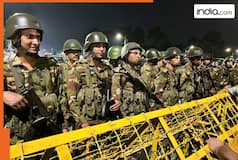
According to local newspapers, the violence has reportedly killed more than 100 people. However, there are no official figures available for deaths.
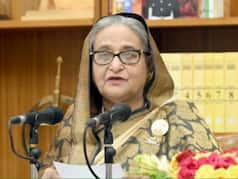
Prime Minister Sheikh Hasina on Tuesday defended her decision to enforce a curfew with a shoot-on-sight order following the clashes, asserting that tough measures were taken to ensure the security of the lives and properties of the people.
Bangladesh crawled back to normalcy on Wednesday with rush hour traffic returning to streets in the capital, and limited reopening of banks, garment factories and internet services.
(With inputs from agencies)


For breaking news and live news updates, like us on Facebook or follow us on Twitter and Instagram. Read more on Latest World News on India.com.
