





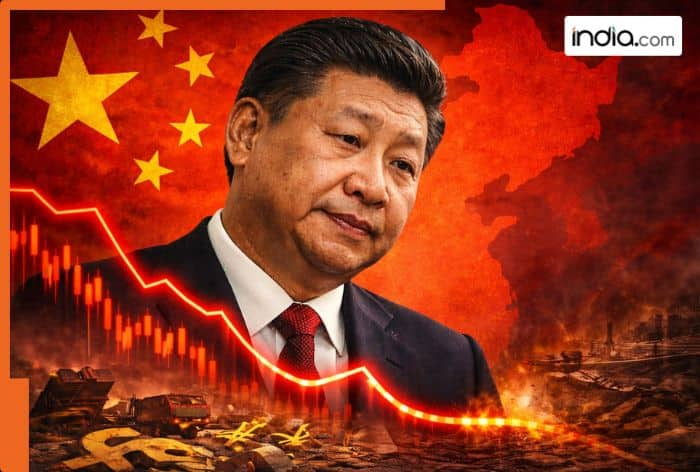
New Delhi: In a significant development, the Iran war impact has now reached China. The Xi Jinping government has increased the fuel prices in China for the second time in March. The officials have raised retail prices of petrol and diesel as part of preparations for a potential fuel crisis. It is important to note that this step has been taken amid concerns that a prolonged US–Israel–Iran conflict could lead to shortages of gasoline and diesel.
The National Development and Reform Commission (NDRC), China’s top planning body, announced temporary measures starting Tuesday in response to rising international oil prices. In its statement, the NDRC said these measures are aimed at reducing the impact of abnormal spikes in global oil prices, easing the burden on consumers, stabilizing the economy, and ensuring social security.
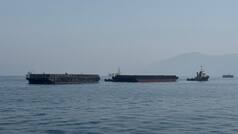
Due to the ongoing conflict in West Asia, the Strait of Hormuz has been disrupted. The Strait of Hormuz is a key maritime route through which about 20 percent of the world’s energy supplies are transported.
The Xi Jinping-led China government had also increased fuel prices on March 9. At that time, petrol prices were raised by 695 yuan per ton, while diesel prices were increased by 670 yuan per ton. This translated to roughly 0.53 to 0.57 yuan per liter at the pump.
The escalating tensions in Iran have primarily affected China in terms of energy security, trade, diplomacy, and global supply chains. Notably, China has been the largest buyer of Iranian oil, so the war has increased uncertainty in oil supplies, forcing it to look for alternative sources such as Saudi Arabia and Russia. This has led to higher energy costs and added inflationary pressure.
China has invested over $100 billion in energy and infrastructure projects in Iran. If the conflict drags on, these projects could be at risk.
Tensions in the Strait of Hormuz have disrupted shipping and oil transportation, affecting not only consumer supplies but also industrial supply chains heading to China.








For breaking news and live news updates, like us on Facebook or follow us on Twitter and Instagram. Read more on Latest World News on India.com.

