



Kumar Utkarsh
Kumar Utkarsh is a journalist, technology observer, and cricket enthusiast with over three years of experience in the media industry. Currently serving as a Sub-Editor at India Dot Com English, he cov ... Read More


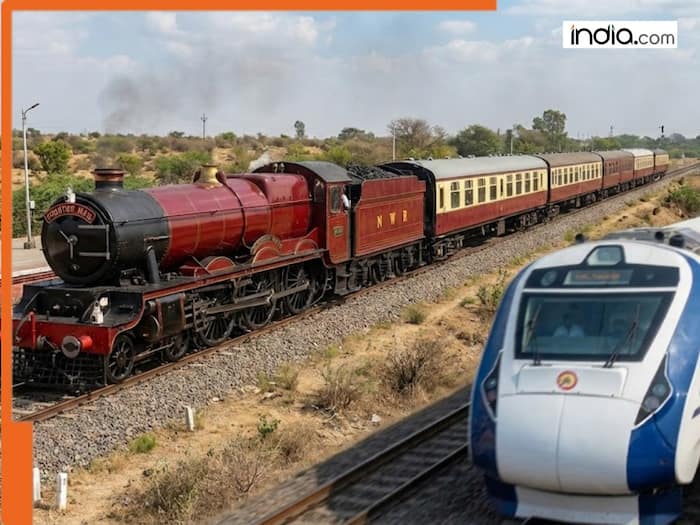
The Grand Trunk Express, popularly known as GT Express, was introduced by Indian Railways back in April 1929 during the British Raj era. Covering major cities across India, this train back then used to run between Peshawar (present-day Pakistan) and Mangalore in the south.
The service which began as a long-distance train with just two coaches operating as the GTP Special began operating independently from Sept. 1, 1930. Its route consisted of the cities from Peshawar all the way to Mangalore, making it stop at several junctions across what was undivided India.
GT Express runs between Chennai Egmore and New Delhi stations daily for nearly 95 years now. With 2,190 km to cover, the train takes roughly around 35 hours to reach its destination with approximately 40 stops in between.
GT Express retains its pride of place as being among the oldest running express trains in India.
While the train may have seen several changes through the decades, what hasn’t changed is how GT Express caters to passengers of all classes today. With sleeper class coaches, AC 3-tier coaches, AC 2-tier coaches, first AC coaches and even pantry cars attached to it, GT Express has everything one might need for their travel journey.
Unlike the steam engines used during the Raj era, GT Express runs on state-of-the-art LHB coaches powered by electric locomotives.
As much as GT Express has been instrumental in connecting several major Indian cities with decent speed over nine decades now, Vande Bharat Express is here to take the rail industry to newer heights.
Made in India, India’s fastest trainset manufactured under India’s Prime Minister Narendra Modi’s flagship initiative; runs at speeds of up to 160 kmph. As self-propelled semi-high-speed trainsets, Vande Bharat even come equipped with features like automatic bio-sliding doors, bio-vacuum toilets, infotainment system with bluetooth connectivity across coaches, Pan-India Wi-Fi and large panoramic windows.
Unlike GT Express, whose average operational speed is only 62 kmph, what sets Vande Bharat Express apart are its premium features.
Also Read: What’s inside India’s first Vande Bharat sleeper? Viral video sparks buzz online
But then again, what’s in a name? GT Express has sentimental value to it. In fact it’s nostalgia for many passengers who travel with it on long-distance trips. On the other hand, Vande Bharat might be faster but it can’t quite replace what sentimental feelings people have when they travel with trains like GT Express which have been operational over periods of time.

For breaking news and live news updates, like us on Facebook or follow us on Twitter and Instagram. Read more on Latest Viral News on India.com.