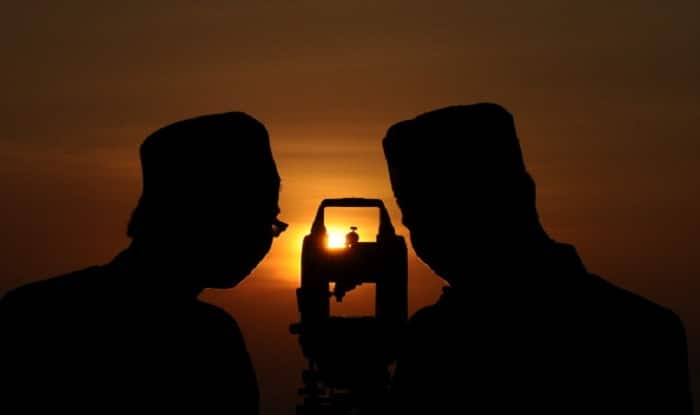
‘Ramadan Kareem’ is the name of the Islamic month, in which all Muslim believers are theologically instructed to fast from dawn to dusk. The month of Ramadan in Urdu is referred to as Ramazan. The alternative pronunciation is used by Muslims across the subcontinent. However, in middle-east, the heartland of Islam, believers still stick to orthodoxy and refer to this month as ‘Ramadan Kareem’. Fasting during the 29 or 30 days of this month is not only obligatory for Muslims, but the practise also constitutes one of the five basic tenets of Islam, along with hajj, namaz (prayer), charity and proclamation of faith.
Ramazan is considered to be one of those festivals of Islam, which highlights the brighter side of this religion. By holding fasts during the month, Muslims exhibit a remarkable example of self-restraint, tenacity and perseverance. (ALSO READ: No Ramazan in China? How Beijing’s communist regime restricts Muslims from fasting in holy month of Ramadan)
History of Ramadan Kareem
The first Ramadan Kareem was observed in 624 CE. It was the second year of Hijra, the beginning of Islamic calendar. During this time, it is theologically believed that Prophet Muhammad still received ‘revelations’ sent by Allah through angel Gabriel. In one such revelation brought before him in the month of Sha’aban, the one right before Ramadan Kareem, it was ordered by the Almighty that all believers of Islam should observe fast in the coming month.
The revelation, which forms the theological basis of Ramadan fasting, was recorded in Chapter 2 (Surah al Baqarah), verse number 185. It states:
“The month of Ramadhan [is that] in which was revealed the Qur’an, a guidance for the people and clear proofs of guidance and criterion. So whoever sights [the new moon of] the month, let him fast it; and whoever is ill or on a journey – then an equal number of other days. Allah intends for you ease and does not intend for you hardship and [wants] for you to complete the period and to glorify Allah for that [to] which He has guided you; and perhaps you will be grateful.”
Therefore, the festival of Ramadan or Ramazan is observed by Muslims since 624 CE, which is nearly 15 years after the foundation of Islam. (ALSO READ: Justice Markandey Katju urges Hindus to observe one Ramazan roza (fast) to fight communal poison)
However, Muslims claim that fasting during the pious month, was one such theological instruction which God had issued to other monotheist communities as well. They claim that the erstwhile Jews, Christians and Sabians were also ordered to do so. Fasting is considered to be one of decrees used by God to inculcate taqwa (fear of their Lord) among the believers.
Piousness of ‘Ramadan Kareem’
Apart from the doctrines issued in Quran which requires Muslims to fast in this holy month, it has been found through the hadith that the very first section of Quran was revealed to Prophet Muhammad during this holy month. Not only the Quran, the hadith claims that four other integral holy books related to monotheism – Tablets of Messenger Ibrahim, Torah of Moses, Psalms and Gospel (both sections of Bible) were revealed during this month.
Pre-Islamic Ramadan?
According to 8th century Arab scholar Abu Zanad, the Mandaean community based in al-Jazira, which now falls in the region of northern Iraq, adopted the practice of Ramazan even though they did not convert to Islam. Important to note is that Mandaeans are not included among the ‘people of book’ (term given in Quran to refer to Muslims, Jews, Christians, Sabians collectively). Although, they believe in the ‘oneness of God’, Muslims do not include consider them among the ‘monotheists’.
On the other hand, Prof Philip Jenkins, senior faculty member at Baylor Institute for Studies of Religion, claims that the practice of fasting during Ramadan dates back to the age of Lenten disciplined Christians of Syria. This section of theological Christians were increasingly committed to the early revelations of their scriptures. However, Muslim scholars have refuted such theories.


For breaking news and live news updates, like us on Facebook or follow us on Twitter and Instagram. Read more on Latest Viral News on India.com.