 English


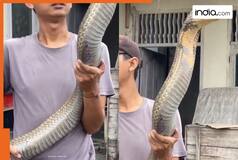



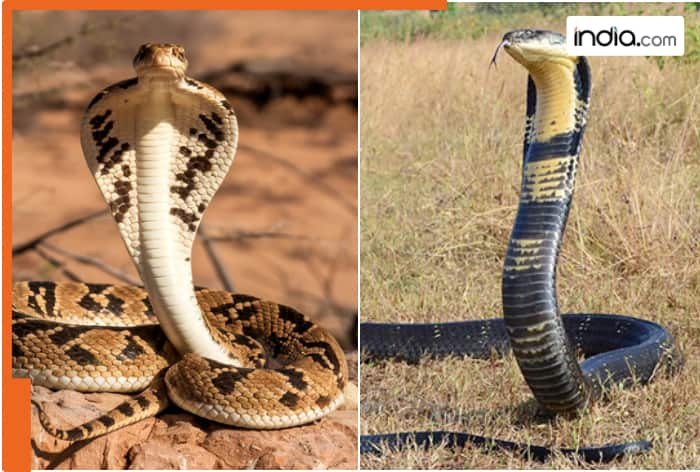
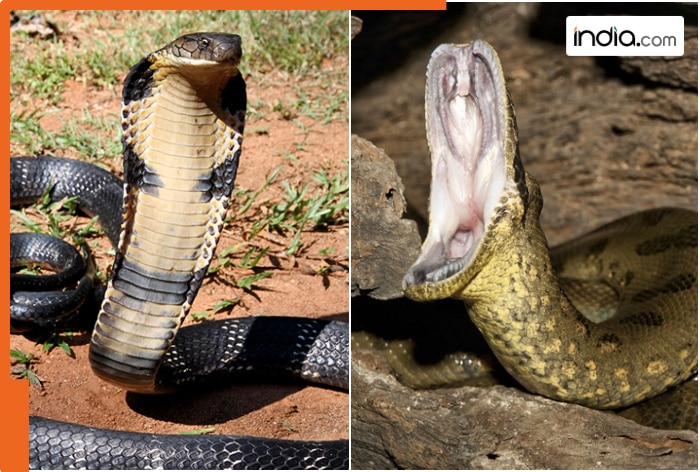
Snakes are a dangerous species and brutal killers of Mother Nature. They are built to kill and don’t provide any mercy to their prey. These venomous creatures can kill any animal on this earth with their poisonous bites. King Cobra and Russell’s Viper are among the deadliest serpents and have their own poisonous attributes. These serpents have their own venoms and attacking habits. The King Cobra is considered intelligent and is big in size with its deadly neurotoxic venom, whereas Russell’s Viper possesses powerful hemotoxic venom that attacks tissue and blood cells. Here are some major differences between the King Cobra and Russell’s Viper.
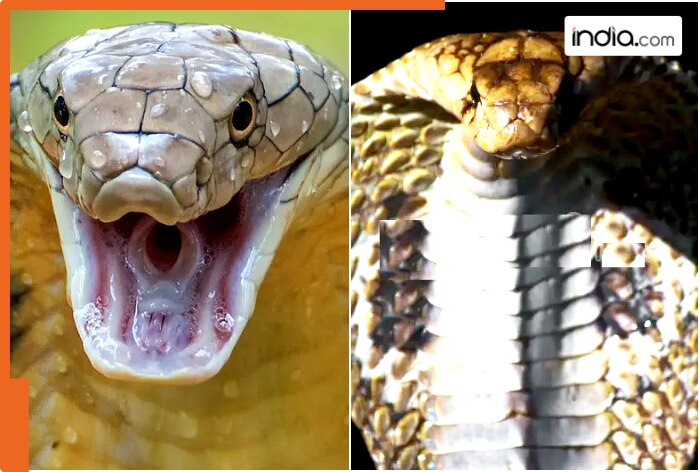
King Cobras Have Neurotoxic Venom Which attacks the nervous system and can paralyse or kill a person. The venom targets central nervous system and kill major functions of the body such as breathing.
The venom of Russell’s viper is hemotoxic, meaning it damages blood cells, disrupts the clotting process, and can result in significant internal bleeding and organ failure. While both types of venom are deadly, the neurotoxic venom of the King cobra acts more quickly, while the hemotoxic venom from Russell’s viper can cause prolonged suffering.
Studies show that King Cobra yields more venom (per bite) than the Russell’s viper. Cobras can inject a maximum of 7 milliliters of venom in one bite, which can kill an elephant. On the other hand, the viper yields less venom per bite, which is generally 0.5-1 milliliter. Notably, the Russell’s viper venom is as toxic as the larger quantity of the venom in the King cobra. It means that va iper’s bite has the potential to be more lethal in a shorter period.
King cobras prefer the dense jungles of Southeast Asia, particularly areas where jungle meets open land. These environments provide ample cover and a diverse range of prey, including various reptiles. In contrast, Russell’s vipers are more versatile in their habitat preferences, often found in grasslands, rocky areas, and agricultural regions across South and Southeast Asia. Their adaptability to different habitats leads to more frequent interactions with humans, especially in rural areas.
King cobras are generally solitary creatures that avoid human interaction. When threatened, they can become aggressive, often rearing up on their hind legs as a display of intimidation before attacking. These snakes are known for their intelligence, allowing them to track and hunt other snakes. In contrast, Russell’s vipers are more aggressive and tend to bite multiple times when they feel threatened. As ambush predators, they are primarily active at night, making them particularly hazardous in low-light conditions.
In a hypothetical battle, the King Cobra is expected to have a upper hand as it is the longest venomous snakes in the world. It also has ability to hunt other snakes. The venom of these snakes is neurotoxic, affecting the nervous system and potentially leading to paralysis and death if not treated. In contrast, Russell’s Vipers are generally smaller, measuring about 5 feet, and possess hemotoxic venom that impacts blood cells and tissues. Although both species are extremely venomous, the King Cobra’s larger size and strength provide it with a considerable edge in encounters.




For breaking news and live news updates, like us on Facebook or follow us on Twitter and Instagram. Read more on Latest Viral News on India.com.

